Song Meaning
Woody Guthrie's "When the Curfew Blows" isn't just a song; it's a primal scream against oppression, distilled into its most haunting sonic form. The repetitive simplicity of the lyrics, far from being a flaw, functions as a relentless hammer, driving home the dread that permeates every line. The curfew itself becomes a character, a malevolent force embodied in a sound that signals not just restriction, but existential threat. The "lonesomest sound" isn't merely an auditory experience; it's the sound of freedom being choked, the sound of a society turning against its own. The "boys" addressed throughout suggest a collective experience, a shared vulnerability in the face of looming authority. It's an invitation to witness, to remember, and perhaps, to resist.
The threat of imprisonment and execution, starkly laid out in the lyrics, isn't abstract. It's the concrete reality of living under a system where justice is arbitrary and power is absolute. The "sheriff's men" on the narrator's trail evoke images of a hunted individual, a symbol for anyone who dares to defy the established order. The chilling line about hanging on the "gallis pole" isn't just a threat; it's a prophecy, a stark reminder of the consequences of dissent. The cold, black midnight setting amplifies the sense of isolation and despair, painting a picture of a world where hope is a dangerous luxury.
Ultimately, the song's power lies in its ability to tap into our deepest fears about authority and control. The cyclical nature of the lyrics, mirroring the relentless repetition of the curfew itself, creates a sense of inescapable dread. This isn't just a song about a curfew; it's an exploration of the psychological impact of living under constant surveillance and the ever-present threat of punishment. "When the Curfew Blows" is a stark reminder that freedom is fragile and that the fight against oppression is a never-ending battle. The analysis of the lyrics reveals a warning about the dangers of unchecked power and a call for vigilance in the face of injustice.
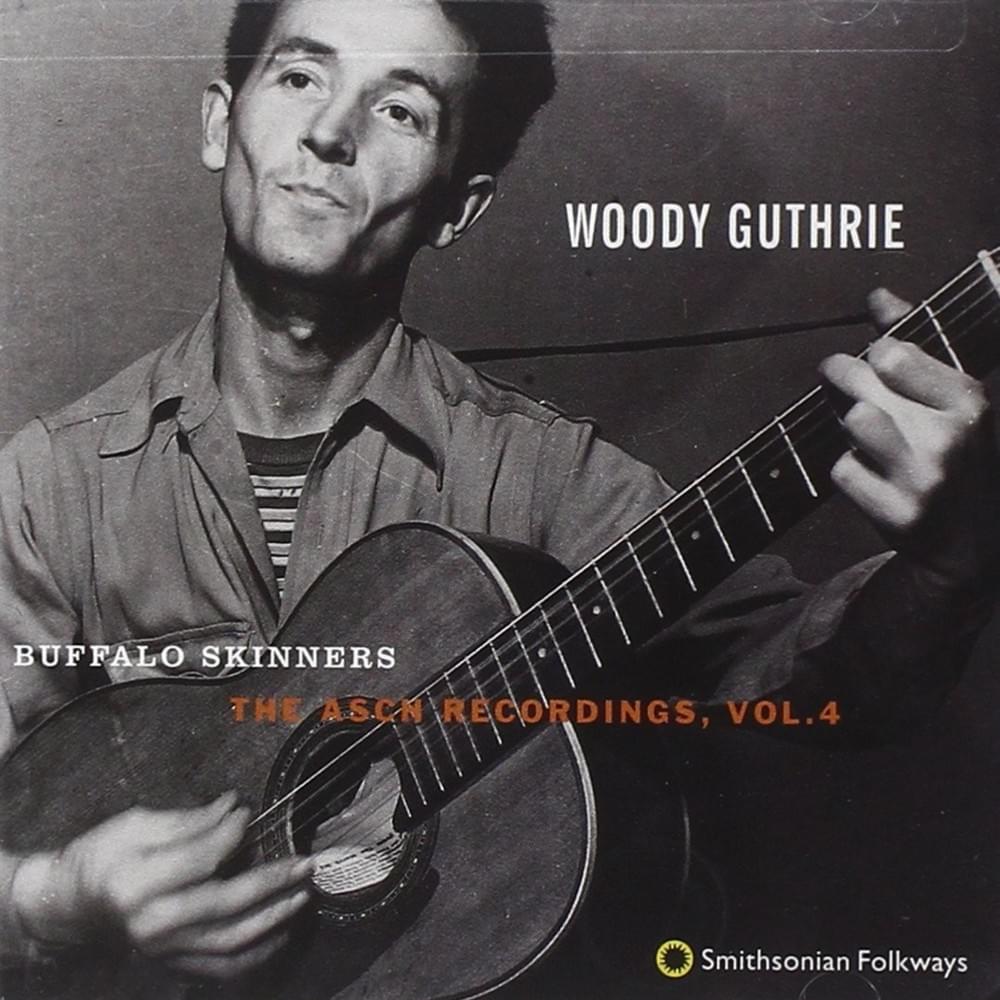
 View Artist