Song Meaning
Woody Guthrie's "When the Curfew Blows" isn't just a song; it's a primal scream echoing from the shadowed corners of American injustice. The repetitive, almost hypnotic, structure drills the listener into a state of dread. It's a stark portrait of a man haunted by the omnipresent threat of capture and execution. The curfew itself becomes a symbol – not just of a time limit, but of a societal boundary, one that, when crossed, leads to irreversible consequences. The phrase "Gallus Pole," an archaic term for gallows, adds a chillingly antiquated feel, suggesting that this cycle of oppression is deeply embedded in the American psyche. The 'boys' refrain adds a layer of intimacy to the terror, as if Guthrie were sharing a secret he knows too well.
The simplicity of the language amplifies the song's emotional weight. Guthrie avoids complex metaphors, opting instead for a blunt, declarative style that mirrors the stark reality he describes. Phrases like "coal black midnight" and "lonesomest sound" paint a bleak soundscape, emphasizing the protagonist's isolation. The cyclical nature of the lyrics, with the recurring "Hear the curfew blow," creates a sense of inescapable doom. This isn't just about a single hanging; it's about a system that grinds individuals down, a relentless machine fueled by fear and control.
Ultimately, "When the Curfew Blows" exposes the raw nerve of systemic inequity. The song meaning lies not just in the literal threat of hanging, but in the psychological weight of living under constant surveillance and the ever-present possibility of becoming a victim of the state. It's a chilling reminder of how easily freedom can be extinguished, and how the sound of a curfew can symbolize the death of hope and the triumph of a system designed to punish dissent. The true horror resides in the fact that this lament, penned by Guthrie, remains painfully relevant in a world still grappling with similar injustices.
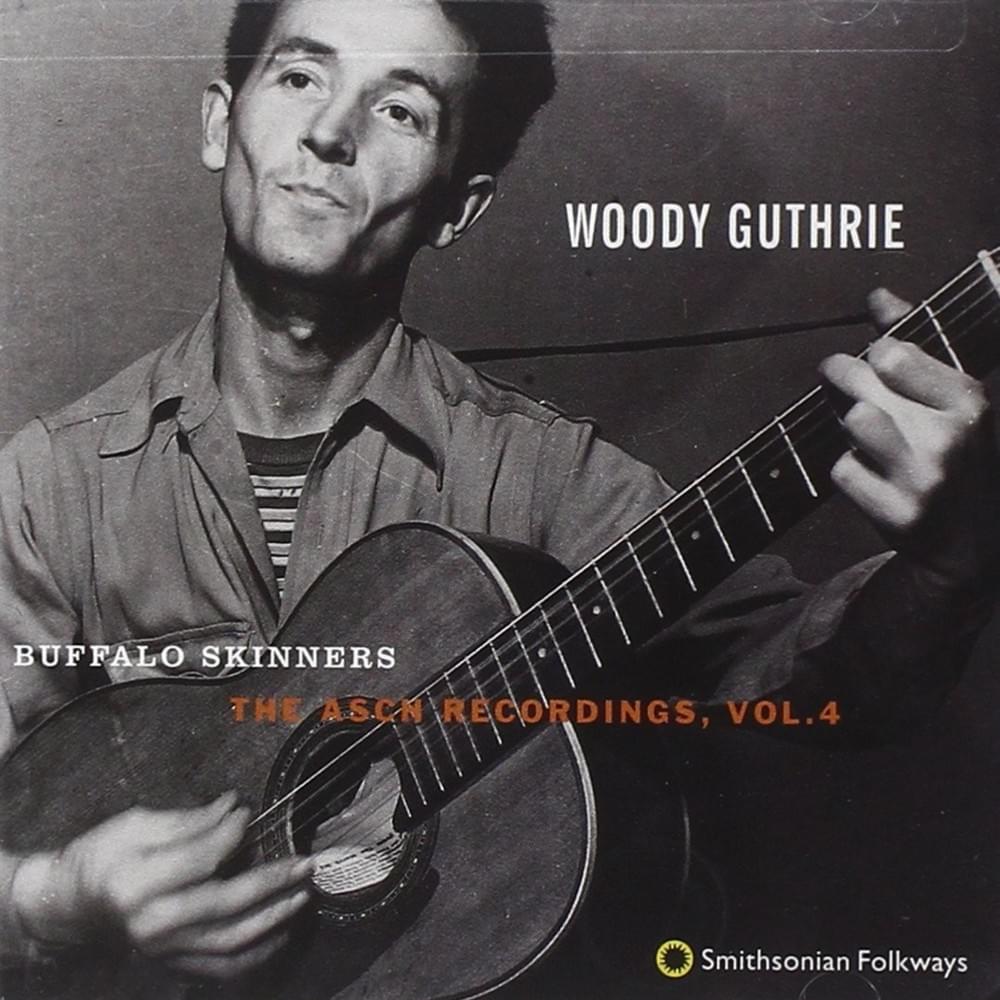
 View Artist