Song Meaning
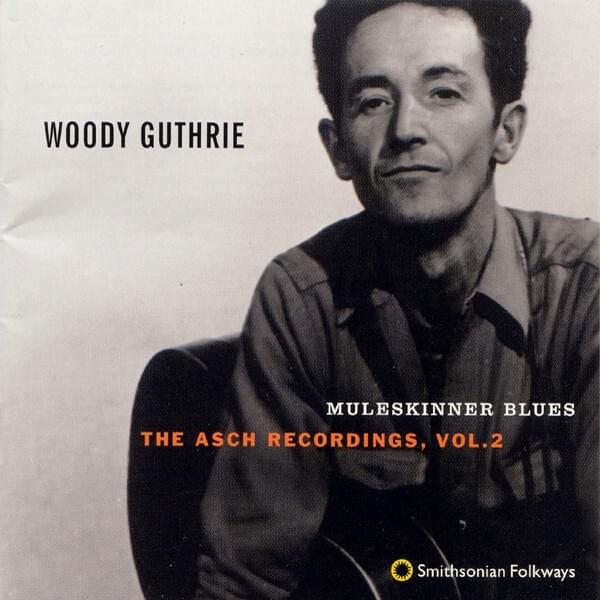
{"song_id": 10898772, "meaning": "Woody Guthrie's \"Train 45\" isn't just a song; it's a visceral ache of displacement and longing. The seemingly simple lyrics paint a portrait of a man tethered to the relentless forward motion of the railroad, yet desperately yearning for the static comfort of 'home.' The 'hundred coaches long' train isn't a symbol of progress, but a metaphor for the crushing weight of distance and the industrial machine that separates him from his loved ones. The hyperbole emphasizes the seemingly insurmountable gap between his present and desired reality. This isn't just about physical distance; it's about the emotional chasm that grows with every mile traveled. The 'nine-hundred miles' repeats like a mournful mantra, a constant reminder of the gulf he must cross. This numerical anchor underscores the sheer scale of his separation, solidifying the thematic core of absence and desire.
The rawness of the lyrics, particularly 'I'm a-walkin' down that track / I've got tears in my eyes,' cuts through any romanticized notions of the traveling folk singer. This isn't a celebration of freedom; it's a stark confession of vulnerability. The letter from home becomes a tangible representation of what he's missing, a fragile connection to a world that feels increasingly distant. The hope of seeing his 'woman Saturday night' hinges entirely on the train running right, placing his emotional well-being at the mercy of a mechanical system. This dependence amplifies the sense of powerlessness and underscores the precariousness of his situation.
Ultimately, the song's power lies in its ability to evoke a universal feeling of homesickness and the yearning for connection. The 'lonesome whistle blow' isn't just a sound effect; it's the sonic embodiment of isolation, a constant reminder of the price paid for a life lived on the rails. The song meaning resides not just in the words, but in the space between them, in the unspoken anxieties and the quiet desperation of a man far from home. It's a poignant reminder that even amidst the vastness of the American landscape, the human heart can still feel profoundly, achingly alone."}
 View Artist