Song Meaning
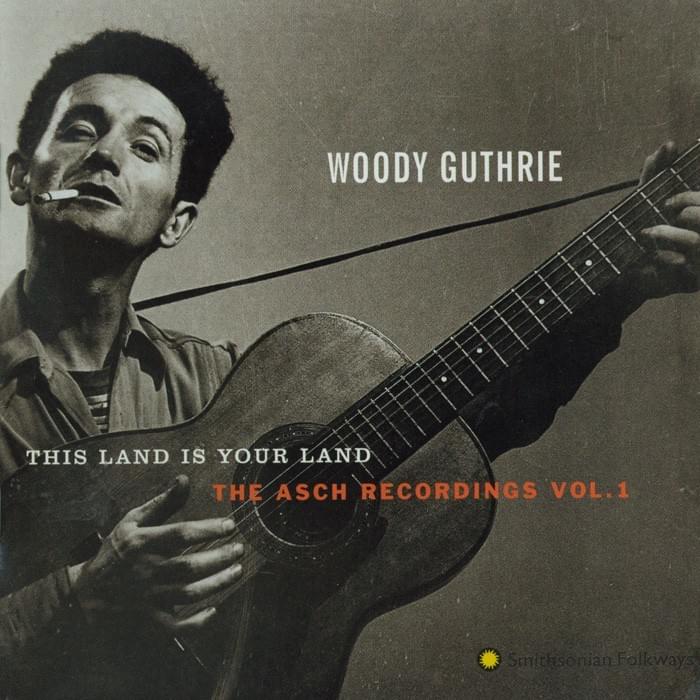
Woody Guthrie's "This Land Is Your Land," in this alternate version, transcends simple patriotic fervor, digging into the unspoken tensions of ownership and access that haunt the American promise. The familiar refrain, a seemingly innocent declaration of shared inheritance, is subtly subverted by the verses that dare to acknowledge the barriers—both physical and ideological—that prevent true equality. Guthrie's genius lies in juxtaposing the vast, open landscapes he celebrates with the stark reality of "Private Property" signs, forcing a confrontation with the inherent contradictions of capitalism and the myth of the classless society. The psychological impact is profound: the listener is invited to question not just who owns the land, but who truly *belongs* and who is excluded from the national narrative. The "big high wall" becomes a potent symbol of societal division, a challenge to the very notion of a unified "we."
The song's power rests in its deceptive simplicity. The repeated chorus acts as a comforting, almost hypnotic affirmation, while the verses inject a dose of uncomfortable truth. Guthrie uses the imagery of roaming and rambling to evoke a sense of freedom and discovery, but this freedom is constantly threatened by the limitations imposed by private ownership and social structures. The "voice" chanting as the fog lifts suggests a collective yearning for a more equitable distribution of resources and opportunities, a desire for the American dream to be accessible to all, not just a privileged few. The recurring geographical references—California, New York, redwood forests, Gulf Stream waters—paint a picture of a vast and diverse nation, but the lyrics subtly remind us that this diversity is not always reflected in the distribution of wealth and power.
Ultimately, "This Land Is Your Land (Alternate)" is a deeply subversive song masked as a folk anthem. It's a call for accountability, a challenge to the status quo, and a reminder that the promise of America remains unfulfilled for many. By acknowledging the existence of walls and barriers, Guthrie compels us to confront the uncomfortable truth that the land is not equally accessible to everyone, and that the fight for true equality is far from over. The song serves as a powerful reminder that patriotism should not be blind allegiance, but a critical engagement with the ideals and realities of our nation.
 View Artist