Song Meaning
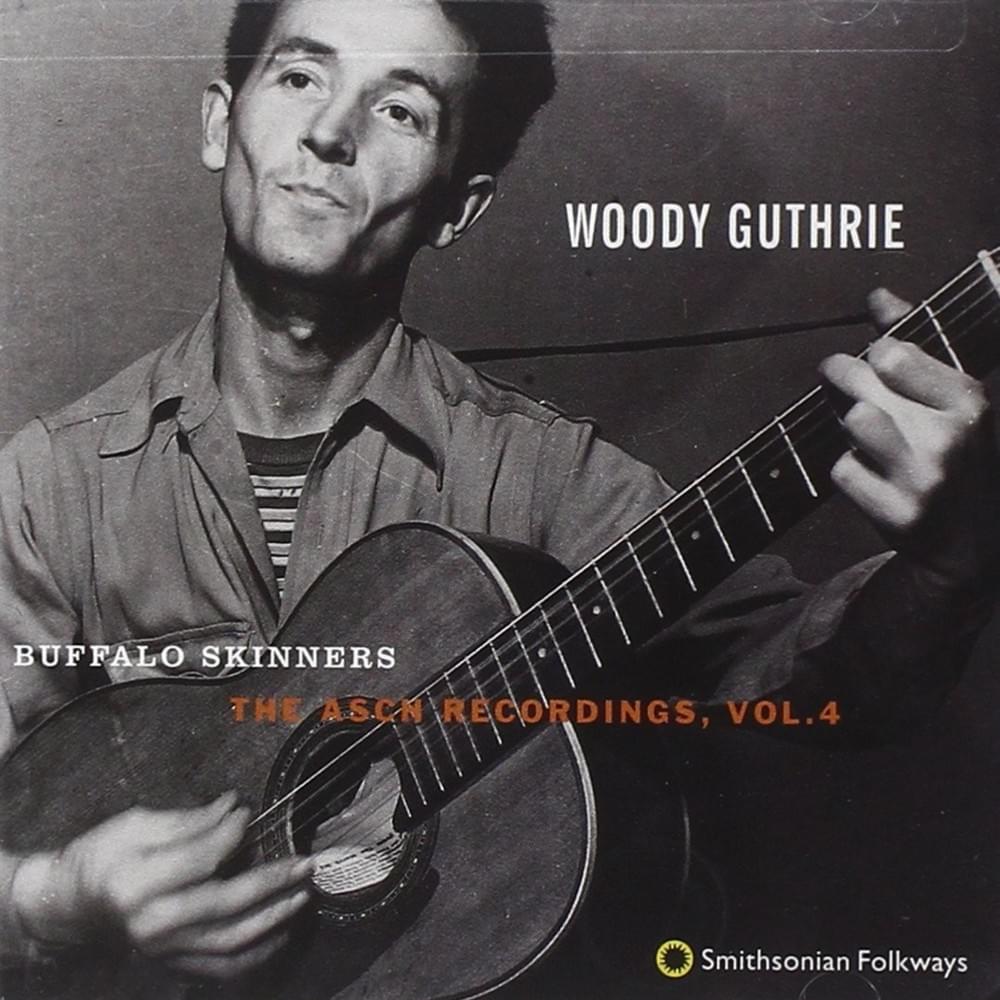
Woody Guthrie's "The Ranger's Command" isn't just a cowboy tune; it's a stark distillation of frontier justice and the romanticized, yet brutal, code of the West. The opening verse lays down the law, a grim imperative to stand your ground, guns blazing, until the last bullet. This isn't about bravery; it's about a survivalist's calculus where retreat equals death. Guthrie, a master of social commentary disguised as folk balladry, hints at the psychological toll of this constant readiness for violence – a world where trust is a luxury and the only reliable companion is your firearm.
The introduction of the "fair maiden" initially seems like a traditional romantic trope, but Guthrie quickly subverts expectations. She's not a damsel waiting to be rescued; she's a partner in this harsh existence. The "cold roundup" and "cold, bitter cup" are metaphors for the grim realities of life on the range, a life where hardship and death are constant companions. Her willingness to share this burden, to partake in the bitterness, elevates her beyond the typical frontier woman archetype. She understands the unspoken pact of survival.
The song's climax, the rustlers' attack, reveals the maiden's true mettle. She doesn't cower; she rises, armed and ready, embodying the Ranger's Command herself. Her call to arms reinforces the song's central theme: the relentless defense of one's territory and way of life. The repetition of the opening verse underscores the cyclical nature of violence and the unwavering commitment required to survive in this unforgiving landscape. "The Ranger's Command," through Guthrie's characteristic simplicity, becomes a powerful meditation on the psychological demands of frontier life, where courage is forged in the crucible of constant threat and where even love is intertwined with the ever-present specter of violence.
 View Artist