Song Meaning
Woody Guthrie's "Rye Whiskey" isn't a subtle exploration of the human condition; it's a blunt-force declaration of dependence. The repeated mantra of "Rye whiskey, rye whiskey, rye whiskey I crave" borders on a primal scream. It’s less about the taste of the liquor and more about the gaping void it fills. The threat of death if denied isn't literal, of course, but it speaks to the psychological grip of addiction – the feeling that life itself is unsustainable without the substance. Guthrie, whether intentionally or not, taps into the raw, desperate core of compulsive behavior. The simplicity of the lyrics belies the complexity of the need. The song's power comes from the unflinching portrayal of craving, stripped bare of romanticism.
The lines "I'll eat when I'm hungry, I'll drink when I'm dry / And if whiskey don't kill me I'll live 'till I die" offer a fatalistic worldview, one where basic needs are met only to fuel the central desire. There's a recklessness, a devil-may-care attitude, but also a profound sadness. The singer isn't celebrating freedom; he's acknowledging a trap. The willingness to accept death as a consequence of indulging suggests a deep-seated resignation. It’s a gamble with life itself, with whiskey as the only stake worth playing.
The final verse, "I'll drink my corn whiskey and rye whiskey too / The ones that don't like me can leave me alone," is a defiant shrug. It's the addict's justification, the isolationist stance against a world that doesn't understand. There's a hint of anger, a rejection of judgment. The choice of both corn and rye whiskey suggests an indiscriminate thirst, a need for any alcohol to quench the craving. Ultimately, "Rye Whiskey's" song meaning resides in its stark portrayal of the all-consuming nature of addiction, delivered with the bare-bones honesty that defines Guthrie's work.
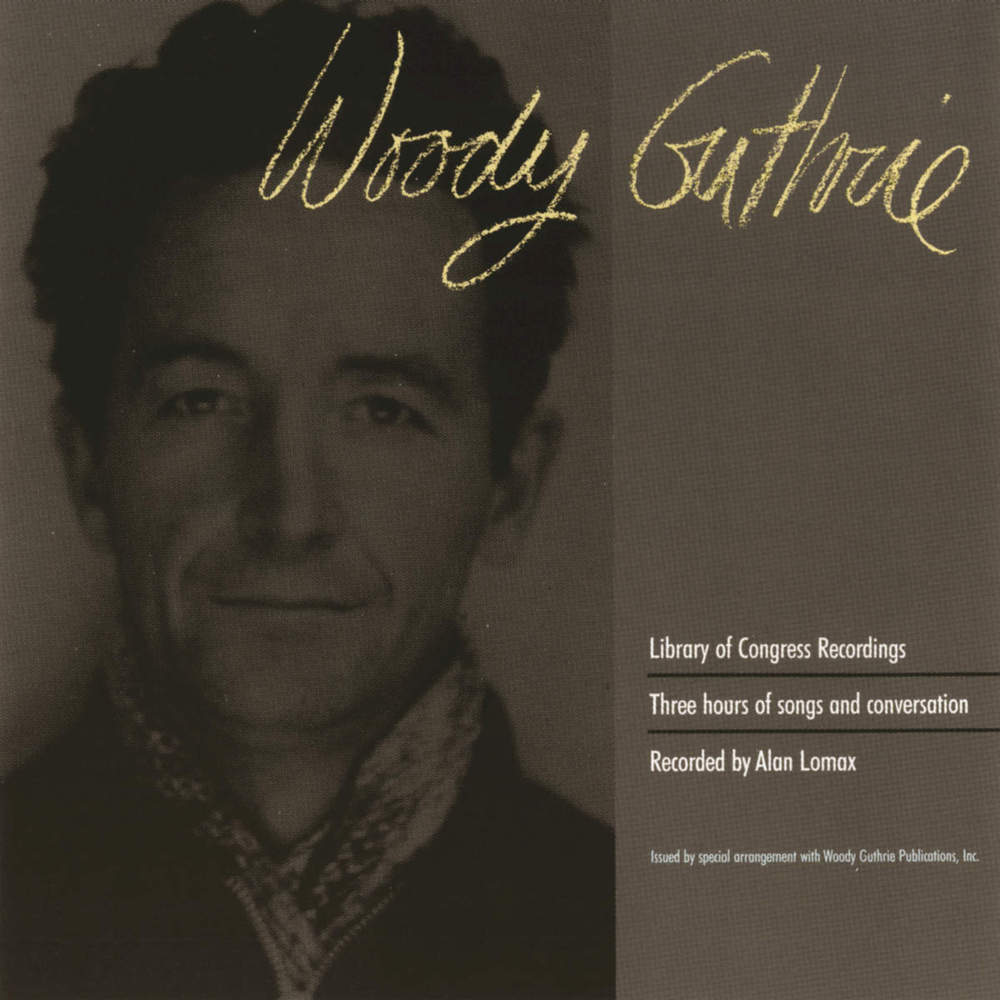
 View Artist