Song Meaning
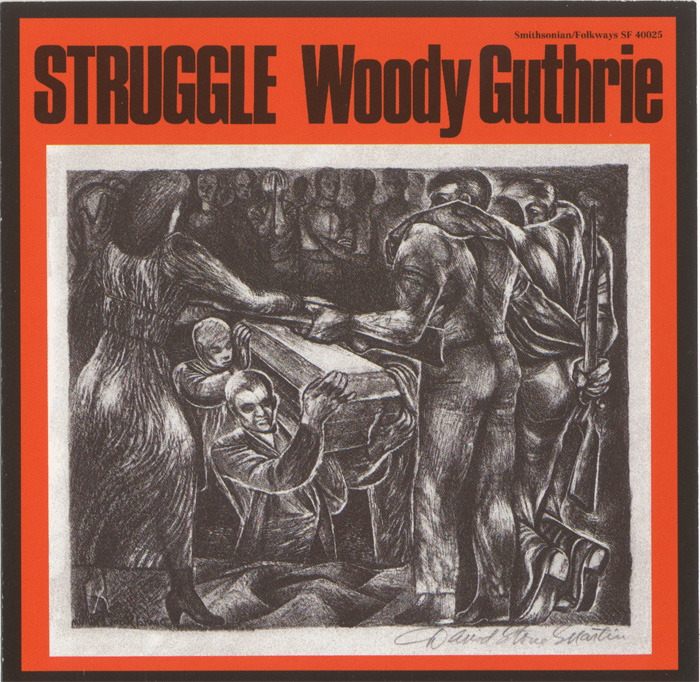
{"song_id": 10891605, "meaning": "Woody Guthrie's \"Lost John\" isn't just a simple folk narrative; it's a concentrated shot of pure, unadulterated anxiety, marinated in the historical realities of the American South. The song, ostensibly about a chain gang escapee, functions as a primal scream against systemic oppression and the ever-present threat of violence. Guthrie distills the fugitive experience down to its psychological core: the gnawing fear, the isolation, and the agonizing uncertainty of who to trust. The literal bloodhounds become a metaphor for the relentless forces of a society rigged against the marginalized. Every rustle in the bushes, every distant dog bark, amplifies the paranoia. The brilliance of Guthrie's songwriting lies in its ability to evoke this visceral sense of dread with such economical language.
The lyrics paint a stark picture: a lone figure, hunted and exhausted, weighing his options under the oppressive weight of potential betrayal. The choice between seeking shelter and remaining hidden becomes a microcosm of the larger struggle for survival. Is the potential respite worth the risk of encountering a potentially hostile force? This internal conflict, articulated in simple yet powerful terms, speaks volumes about the precarious position of those living on the fringes of society. The \"Winchester riffle\" isn't just a weapon; it's a symbol of the ever-present danger lurking in the shadows, a constant reminder of the brutal consequences of stepping outside the established order.
Ultimately, the repeated line, \"Old Lost John ain't lost no more,\" offers a glimmer of hope, but it's a hope tinged with ambiguity. Has John found true freedom, or merely a temporary reprieve? The song never explicitly states his fate, leaving the listener to grapple with the complexities of systemic injustice and the enduring human spirit. The open ending allows for multiple interpretations. \"Lost John\" could represent anyone fighting against overwhelming odds, searching for a safe haven in a world that often feels hostile and unforgiving. Guthrie's genius lies in transforming a specific historical context into a universal parable of fear, resilience, and the enduring quest for liberation."}
 View Artist