Song Meaning
"Hanukkah Dance," by Woody Guthrie, isn't so much a song as it is pure, uncut, distilled joy. Stripped of narrative, devoid of the protest anthems that often define Guthrie's legacy, it's a disarming and deceptively simple celebration of childhood exuberance. The song meaning resides not in lyrical complexity, but in its kinetic energy, its insistent rhythm compelling movement. It's a snapshot of pure, unadulterated happiness, the kind found in the heart of a holiday celebration as seen through the eyes of a child. The genius of the song lies in its understanding of how children experience joy: physical, repetitive, and utterly present.
Guthrie’s word choices contribute to the song's infectious spirit. Terms of endearment like "little latke," "little shtroodler," and "little honeybun" function less as specific descriptions and more as sonic signifiers of affection. They are the sounds of love, the kind of nicknames whispered between family members. The repetitive structure, with each verse building on the last through variations of movement – "tippy tap toe," "clap your hands," "jump real high" – mirrors a child's own boundless energy and short attention span. It's a song built for endless repetition, a sonic playground where kids can endlessly express themselves through motion.
Ultimately, "Hanukkah Dance" transcends the specifics of the holiday it celebrates. While rooted in Jewish tradition, its deeper message is universal: the simple, unbridled joy of being alive and connected to loved ones. It's a reminder that sometimes the most profound expressions of human emotion are found not in grand pronouncements, but in the smallest, most intimate moments of shared experience. Guthrie's "Hanukkah Dance" is a testament to the power of simplicity, a miniature masterpiece of pure, unadulterated happiness.
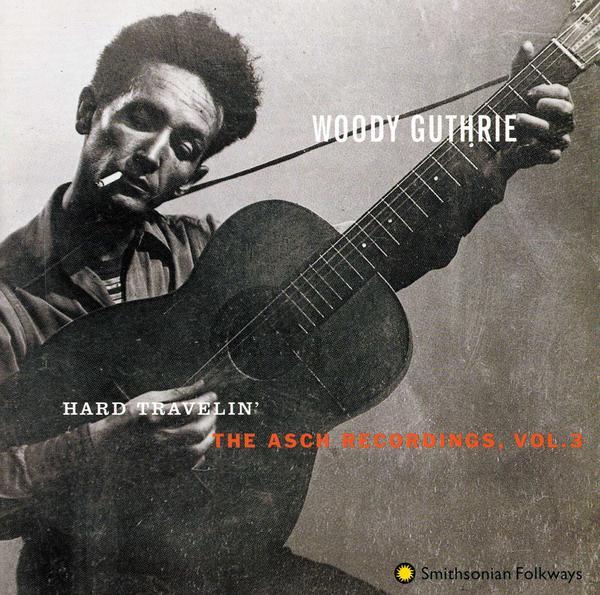
 View Artist