Song Meaning
The lyrics paint a stark picture of lingering heartbreak, personifying the narrator as a discarded trash can. The opening lines immediately establish a tone of deep longing, with a voice "painfully missed" and memories of "fragmented longing." This sets the stage for a narrative of someone left behind, holding onto the remnants of a past relationship. The narrator feels "hollowed out" in a corner, a solitary figure still breathing where the connection used to be.
The central tension lies in the narrator's passive acceptance of being a receptacle for their former lover's pain. They are a "trash can left alone in the corner," living with "the wounds you threw away." This imagery is powerful, suggesting a one-sided burden where the narrator absorbs the emotional debris of the other person. Despite attempts to "throw away and empty," they remain "full," unable to shed the weight of these discarded hurts.
The most striking craft element is the extended metaphor of the trash can. It's a brilliant, almost brutal, way to articulate the feeling of being used and discarded, yet still present. The narrator's ultimate wish is to tell the former lover that "the trash you threw away became love." This transforms the act of being filled with pain into a testament to enduring affection, a final, poignant redefinition of what was left behind.
This lyrical approach is effective because it grounds abstract emotional pain in a tangible, everyday object. The image of a trash can, often overlooked and associated with what's unwanted, perfectly captures the narrator's perceived status. The final lines offer a complex blend of resignation and enduring hope, a quiet plea to be remembered as someone who waited, even after being filled with what was meant to be forgotten.
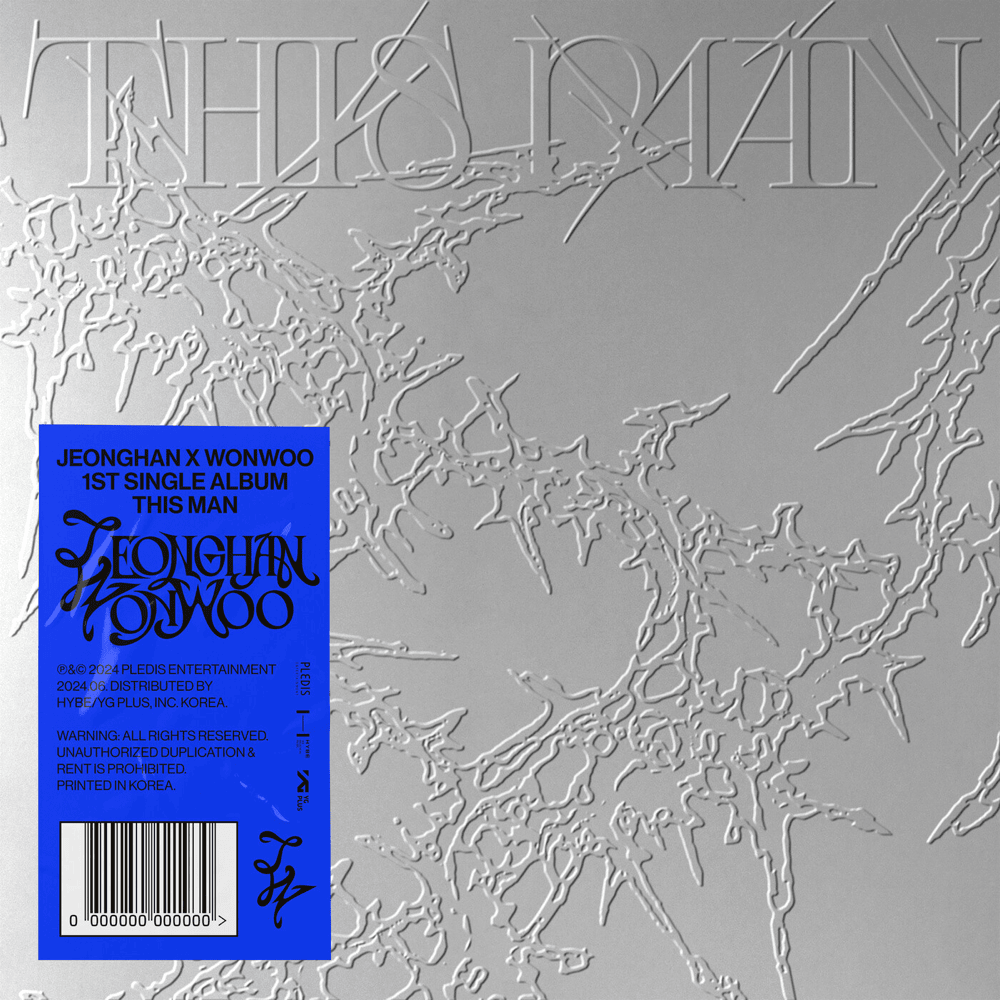
 View Artist