Song Meaning
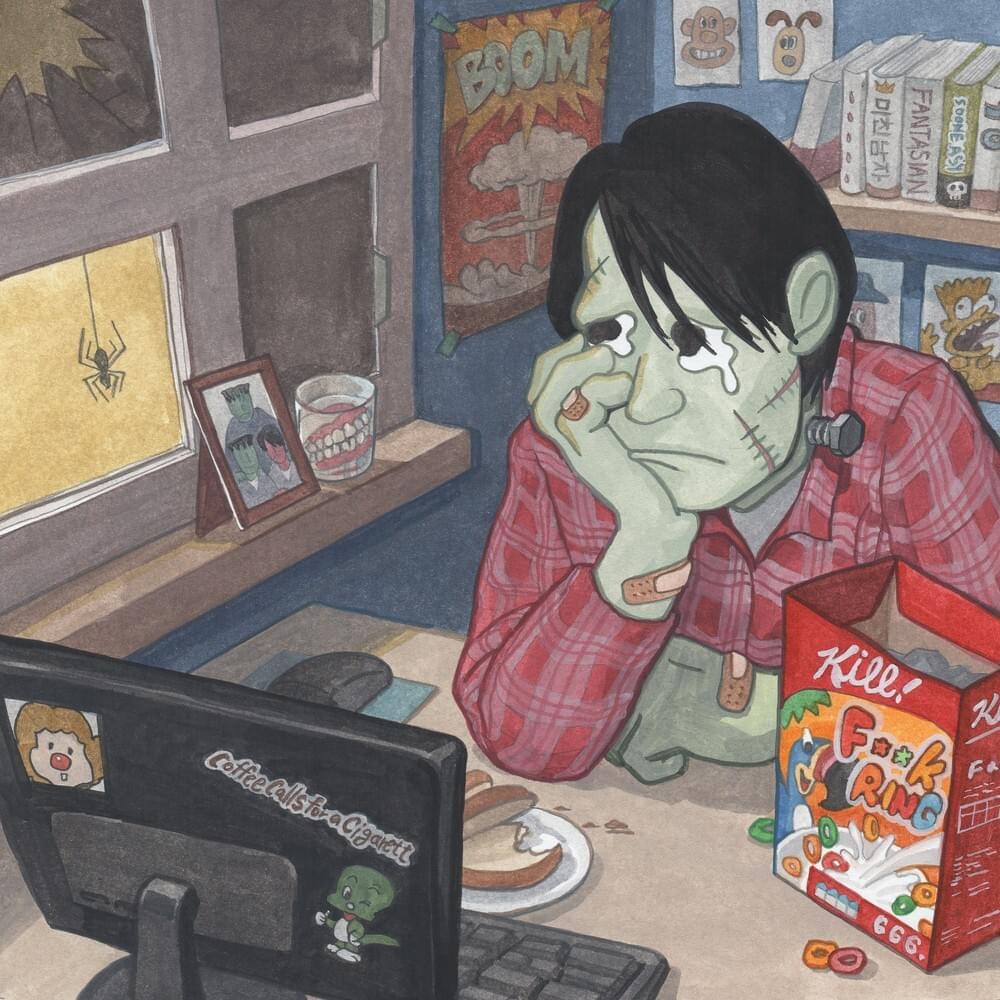
The narrator grapples with a self-perception as a "good psycho," a paradox that feels both accurate and frustratingly limiting. This internal label seems to stem from a deep-seated disillusionment with others and a feeling of being misunderstood or undervalued, even by those who once seemed supportive. The repeated assertion, "I'm really a good psycho," coupled with the qualifier "a little frustrating," highlights a complex emotional state where the narrator acknowledges a peculiar, perhaps unconventional, nature while simultaneously feeling stifled by it.
The core tension arises from past betrayals and present indifference. The narrator recalls a time when people were eager to follow, only to dismiss them later, leading to a declaration of "you can come back, but fuck it, baby." This shift from seeking validation to outright rejection of it suggests a defense mechanism against further hurt. The lyrics then broaden this feeling, stating, "If you want to be precise, this is actually everyone's fault," implying a shared responsibility for the narrator's current state of isolation and distrust.
A striking element is the narrator's detachment from their own identity, describing themselves as "just a shell" and believing "there's no one here I can trust more than half." This profound lack of faith extends to a conscious decision to "no longer expect anything from anyone." The world, according to the lyrics, only demands growth, a relentless pressure that the narrator finds met with "questions that aren't worth answering." This creates a sense of being trapped in a cycle of external demands and internal apathy.
Ultimately, the effectiveness of these lyrics lies in their raw portrayal of emotional exhaustion and self-alienation. The repeated phrase "good psycho" acts as a refrain that encapsulates the narrator's internal conflict – a self-aware but resigned acceptance of a difficult identity. The imagery of "rain pouring down feels like all the criticism aimed at me" vividly illustrates how external events are perceived through a lens of personal attack, solidifying the feeling of being perpetually under siege. This creates a powerful, albeit bleak, portrait of someone navigating a world they feel increasingly disconnected from.
 View Artist