Song Meaning
The lyrics paint a picture of disillusionment with the superficiality and pressures of modern life, particularly within the music industry. The narrator observes how societal expectations and adult standards stifle genuine expression, leading to a sense of compromise and a loss of authenticity. There's a feeling of being trapped in a rigged game, where success often comes at the cost of one's soul, symbolized by the "three Lamborghinis" in the garage. This pursuit of an easy path, however, breeds suspicion and a questioning of one's own motives and choices.
The central tension arises from the conflict between the desire for genuine artistic expression and the overwhelming commercial forces that dictate success. The narrator notes how people are too exhausted to engage with meaningful music, opting for the easily digestible "Top 10" instead. This leads to a critique of how art itself is being shortened and simplified, with even the narrator admitting to becoming accustomed to this trend. The lyrics suggest a deep weariness with the constant pursuit of validation through metrics like "numbers" that no longer hold any real significance.
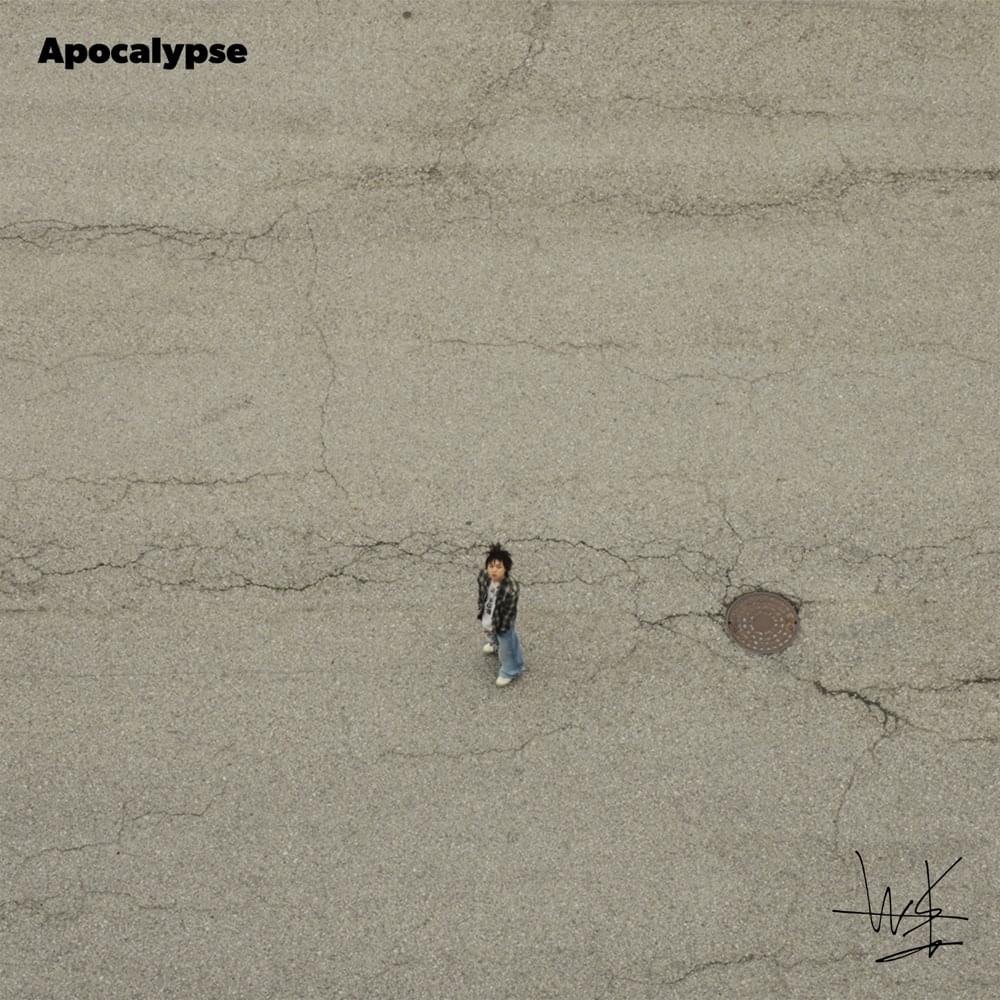
A striking aspect of the craft is the use of contrasting imagery and the subtle shift in perspective. The initial ambition of having "three Lamborghinis" is juxtaposed with the later realization that "easy paths" lead to missed opportunities and self-doubt. The phrase "Save the children" opens the piece, but the subsequent verses reveal a world where children are stunted by adult standards, and the "playground" is avoided for fear of getting dirty. The outro, listing natural disasters and chaos, serves to emphasize that the true "apocalypse" isn't external destruction, but an internal, pervasive sense of emptiness and disillusionment.
Ultimately, these lyrics resonate because they articulate a quiet despair felt by many. The narrator's admission of wanting to "live like a fool" and the observation that "outward appearance is important" highlight a societal pressure to conform and hide one's true self. The final lines, "The person standing in the ring was none other than you," coupled with the inability to watch a past reflection, suggest a profound moment of self-recognition and regret. This internal struggle, presented through sharp observations and a weary tone, captures the feeling of being lost in a system that prioritizes surface over substance.
 View Artist