Song Meaning
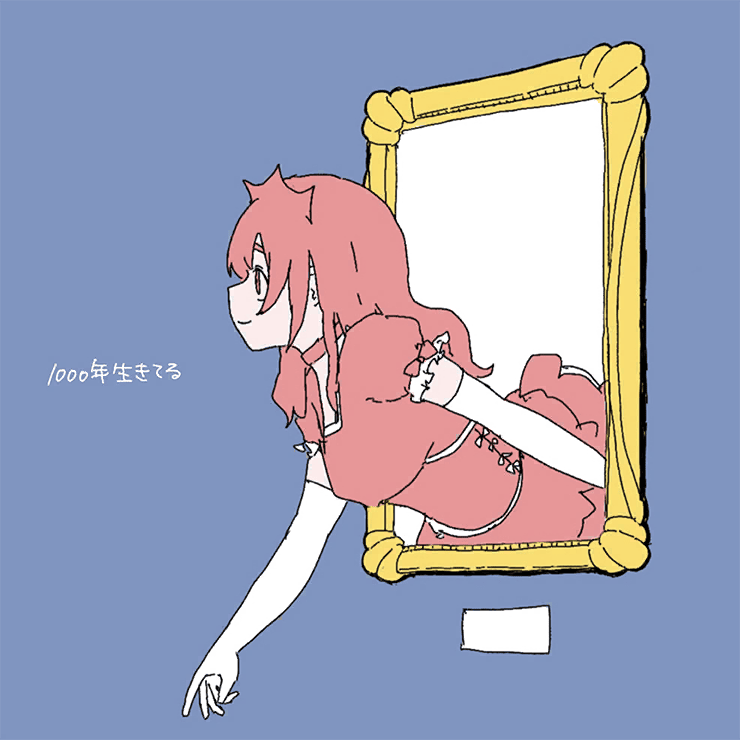
The lyrics paint a picture of a detached observer, seemingly immortal or at least deeply jaded, watching humanity's cyclical follies. The narrator declares they've "lived for a thousand years" within a "picture frame," suggesting a static, perhaps curated, existence removed from the messy realities of life. This initial stance sets a tone of ironic detachment, observing "lovely little public spectacles" and "shortened lives" with a dismissive air, choosing to "ignore it all."
The core tension arises from this observer's relationship with the "human" they are watching. While initially positioning themselves as separate, the lyrics shift to focus on "your feelings" as the entity that has "lived for a thousand years." This suggests a profound, perhaps painful, connection where the narrator's own perceived immortality is tied to the enduring emotional landscape of another, creating a complex dynamic of observation and entanglement.
The craft here is in the juxtaposition of grand, almost cosmic, pronouncements with mundane or absurd details. We hear of "great people carving letters in stone" and "crazy folks smearing white," but also "clumsy proposals" met with "honking horns." This contrast highlights the absurdity of human endeavors, from the monumental to the intimate, all viewed through the lens of a thousand-year perspective. The repeated phrase "lived for a thousand years" itself becomes a refrain of weary endurance, applied first to the narrator's static existence and then to the persistent emotional state of the person they observe.
Ultimately, the effectiveness lies in this blend of cosmic weariness and intimate focus. The narrator's thousand-year perspective isn't just a boast; it's a lens through which they analyze the enduring nature of human emotion, particularly the feelings of the person they address. The final lines offer a sliver of hope or a challenge: by "living tenaciously" and creating something, perhaps those feelings can achieve a form of thousand-year existence, suggesting that true immortality might lie not in mere survival, but in impactful creation and emotional legacy.