Song Meaning
The lyrics paint a stark picture of internal struggle and external pressures, opening with a sense of profound brokenness. The repetition of "This night is broken" and "Your mind is your prison" immediately establishes a feeling of entrapment and despair. The narrator appears to be addressing someone caught in a cycle of negativity, where their own thoughts become the bars of their confinement. It’s a bleak, immediate setup that grounds the listener in a palpable sense of distress.
The central tension lies between a desire for escape and the overwhelming forces that keep one "perpetually fallen." The "chaos of spinning signs" suggests a disorienting external world, full of conflicting messages and lost souls. Yet, the lyrics also point inward, noting that "Your mind is your prison." This duality creates a compelling conflict: is the downfall a result of external circumstances or an internal state of being, or both?
The phrase "sight lines" itself is intriguing, suggesting predetermined paths or perspectives that are hard to break free from. The narrator observes someone whose "eyes have seen the sunset / In the west end," a beautiful image that contrasts with the feeling of being "hopeless again." The "unflailing away" of these sight lines implies a relentless, unstoppable march toward a predetermined, negative outcome, making the feeling of being "perpetually fallen" feel inescapable.
What makes these lyrics hit hard is their unflinching portrayal of a mind trapped by its own perceptions and the overwhelming nature of its environment. The repeated question of "How to get home again" underscores a deep yearning for solace and belonging that seems increasingly out of reach. The lyrics suggest that the inability to "protect / The ones that you hold dear" is a devastating consequence of this internal and external battle, leading to a sense of disappearing entirely.
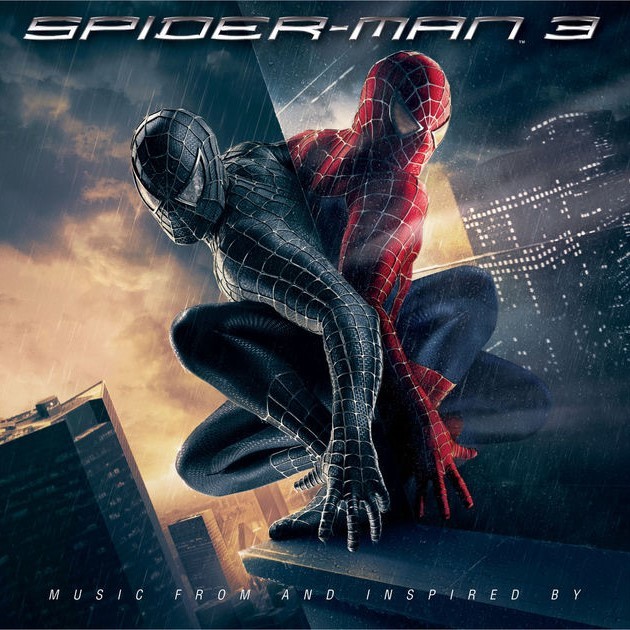
 View Artist