Song Meaning
The lyrics paint a stark, almost bleak, picture of a journey that isn't the grand adventure it might have been. The narrator observes a scene along the Rhine River, noting bare trees and a white cross on a red flag, a visual that feels heavy and perhaps foreboding. A ship slowly drags its containers upstream, a powerful image of relentless, unglamorous labor. The dominant tone is one of resignation, a quiet acknowledgment that this is the reality, not some idealized vision.
The core tension lies between the desire for a fresh start and the recognition of limitations. Phrases like "Schluß, Aus, Vorbei" (End, Out, Over) and "Keine Bleck zoröck, woröm och?!" (No looking back, why?!), repeated with a final, almost dismissive "OK!", underscore a forced acceptance. The narrator contrasts the mundane reality of "Langerich" (likely a place name) with the iconic "Manhattan" and "Avenue," highlighting a vast gap between aspiration and actuality. The advice to "lass de Luff deef en ding Lunge" (take a deep breath) and "fang eimohl mieh vun vörre ahn" (start over again) feels less like enthusiastic encouragement and more like a pragmatic instruction to cope with the present.
The lyrics cleverly employ literary and cultural references to underscore the theme of unfulfilled potential. The mention of Kerouac, a figure synonymous with the romanticized American road trip, serves to highlight the absence of such a spirit here. The "Nord-Süd-Fahrt" (North-South journey) is explicitly stated to "niemohls ne Highway" (never be a highway), a direct subversion of the classic adventure narrative. This contrast between the expected epic journey and the observed mundane reality is where the song's emotional weight resides. The final lines, "Echt, ich kann et nimieh hühre, jeff et dran / Das's alles nix, wo't wer für kann" (Really, I can't hear it anymore, give it up / That's all nothing anyone can do anything about), cement this feeling of weary surrender.
Ultimately, the effectiveness of these lyrics comes from their grounded, unsentimental portrayal of disappointment. It’s not about epic failure, but the quiet, persistent hum of a life that never quite aligns with the grand narratives we might expect. The repeated, almost perfunctory "Schluß, Aus, OK!" acts as a mantra of acceptance, acknowledging the end of a dream without dramatic flair, but with a profound sense of finality.
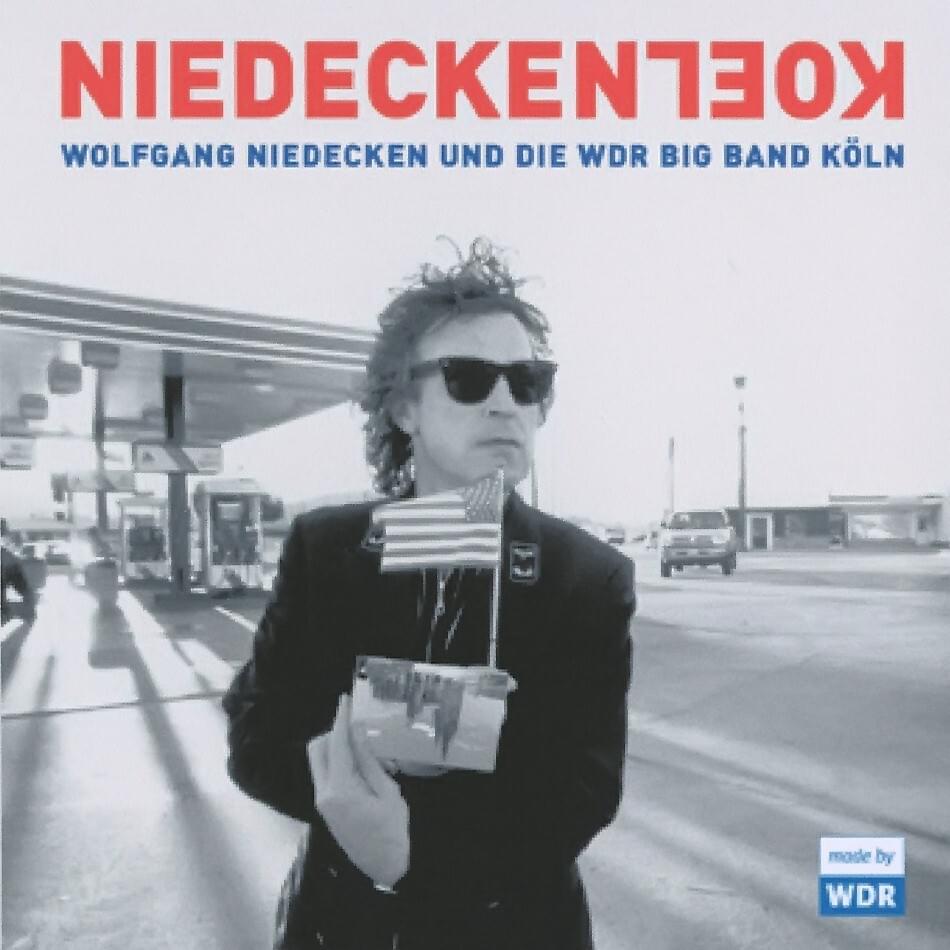
 View Artist