Song Meaning
The lyrics paint a stark contrast between an idealized image of the equator and its harsh reality. Initially, we're presented with a postcard-perfect scene: perpetual sunshine, swaying palms, and joyful, vibrant people. This idyllic picture, however, quickly dissolves, revealing a much darker truth beneath the surface.
The central tension arises from this juxtaposition of perceived paradise and actual suffering. The narrator points out that despite the supposed 'wonne' (delight), people are often 'dreckig' (miserable) and 'elendig' (wretched), with the exception of the 'Diktator' (dictator). This immediately sets up a critique of superficial appearances versus lived experience, highlighting systemic issues like oppression and the disregard for basic human rights.
What's particularly striking is the lyrical technique of presenting contradictory truths side-by-side. The text notes 'Mörder' (murderers) and 'Diebe' (thieves) alongside 'Gastfreundschaft' (hospitality) and 'Nächstenliebe' (charity), suggesting a complex, perhaps even paradoxical, human condition. The education system is also framed with a double edge: children learn 'wie man lebt' (how to live), but it's 'beherrscht und ausgebeutet' (controlled and exploited), underscoring a profound irony in the pursuit of knowledge within oppressive structures.
This direct, almost blunt, presentation of conflicting realities is what makes the lyrics resonate. The narrator doesn't shy away from the messiness, stating plainly that 'Was gut ist, ist gut / Und was schlecht ist, ist schlecht' (What's good is good / And what's bad is bad). The final lines, 'Wer recht hat, der richte – / Wer teil hat, der teile!' (Who is right, let them judge – / Who has a share, let them share!), offer a raw, almost fatalistic call for justice and equity amidst the chaos, leaving the listener to ponder the inherent complexities of life in such environments.
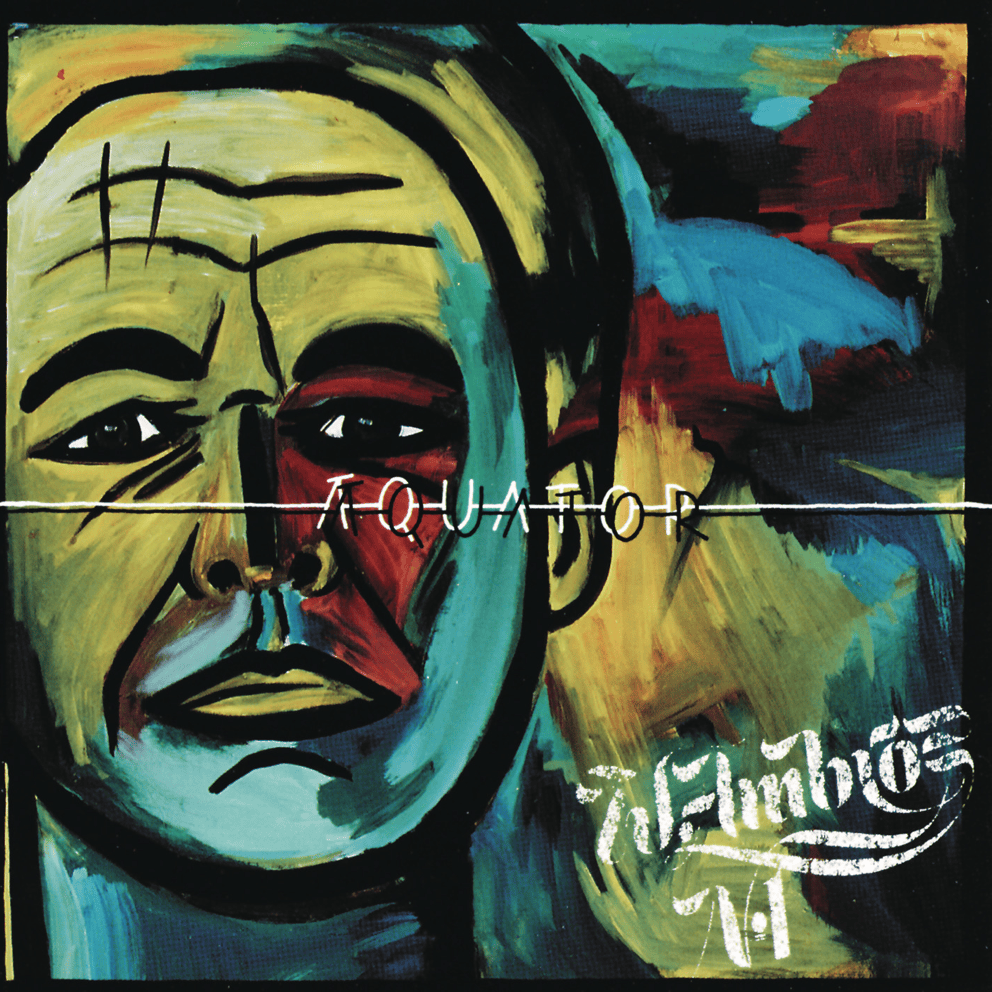
 View Artist