Song Meaning
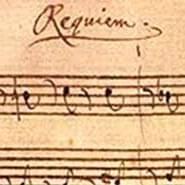
This passage from Mozart's Requiem is a direct plea for eternal rest and perpetual light for the departed. It opens with a solemn invocation, "Requiem æternam dona eis, Domine," asking the Lord to grant them eternal rest. This is immediately followed by the poignant wish, "Et lux perpetua luceat eis," that perpetual light may shine upon them, establishing a core tension between the darkness of death and the hope for divine illumination.
The lyrics then shift to acknowledge God's dominion and the sacredness of worship, referencing "Deus, in Sion" and the fulfillment of vows in Jerusalem. This theological framing underscores the gravity of the prayer, positioning it within a divine context where earthly promises are rendered to the Almighty. The plea "Exaudi orationem meam" (Hear my prayer) directly addresses the divine ear, acknowledging humanity's transient nature with the stark statement, "ad te omnis caro veniet" – to You all flesh shall come.
The most striking aspect of this text is its cyclical structure and the repetition of the central petition. The phrase "Requiem æternam dona eis, Domine, Et lux perpetua luceat eis" bookends the piece, reinforcing the urgent, unwavering desire for peace and everlasting light for the souls of the deceased. This repetition creates a powerful sense of liturgical insistence, a constant return to the core supplication that defines the entire passage.
Ultimately, the effectiveness of these lyrics lies in their profound simplicity and directness, framed within a sacred, ancient language. The contrast between the finality of death ("omnis caro veniet") and the hopeful aspiration for eternal peace and light creates a deeply moving emotional resonance. It’s a universal human prayer, articulated with timeless solemnity, that speaks to our deepest hopes for those who have passed.
 View Artist