Song Meaning
The lyrics present a disquieting internal dialogue, framed as a desperate plea for recognition. The speaker, identified as a "dark passenger" and an "invisible shadow," insists on an inseparable bond with the listener. This entity claims it has always been present, waiting, and that the two are fundamentally "one" and "you are me." The repeated questioning, "Do you remember? Can you recall?" suggests a listener who has suppressed or forgotten this connection, perhaps out of fear or denial.
The central tension arises from the speaker's assertion of unity versus the listener's apparent resistance. The "dark passenger" positions itself as a necessary companion, even a guide "in the face of evil," aiming to make the listener's "face can shine." This framing attempts to reframe the shadow self not as an enemy, but as an essential, albeit unsettling, part of the listener's identity, crucial for their ultimate triumph or illumination.
The most striking aspect is the blurring of self and other, presented through insistent repetition. Phrases like "We are one, I am you, You are me" are hammered home, creating a sense of inescapable intimacy. The speaker's promises of never leaving or betraying, coupled with the self-identification as a "shadow" and "dark passenger," reveal a complex relationship where dependence and perhaps even codependency are central. The final plea, "Set me free," adds another layer, suggesting this passenger, while claiming unity, also yearns for liberation from its shadowed existence.
This writing is effective because it taps into the unsettling idea of a hidden self that is both intimately known and terrifyingly alien. The relentless repetition of "We are one" and the dual nature of the "dark passenger" – a betrayer and a guide – create a powerful psychological portrait. It’s the kind of internal conflict that resonates deeply, making the listener question the boundaries of their own identity and the unseen forces that shape them.
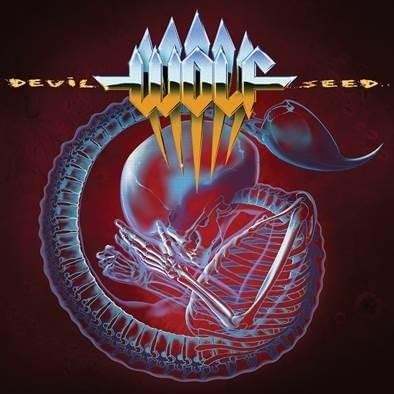
 View Artist