Song Meaning
The lyrics paint a stark picture of disorientation and a desperate search for self. The opening lines immediately establish a sense of encroaching darkness, where the familiar path dissolves, mirroring an internal state of confusion. This sets the stage for a repeated, almost frantic question: "Have you seen my shadow?" This isn't just about a lost physical object; it's a plea for recognition of one's own identity.
The central tension arises from the narrator's quest for authenticity, which paradoxically leads to a feeling of profound alienation. The line "I found a lost reality in a dream" suggests that the pursuit of something "real" has led them further away from it, into a state of unreality. This disconnect is amplified by the description of wandering "like a ghost inside my mind," an "alien who's looking for his kind," highlighting a deep sense of not belonging, even to oneself.
The most striking element is the concept of the lost shadow, personified as a crucial part of the self that has gone missing. The repetition of "Have you seen my shadow?" underscores the urgency and desperation of this loss. The invitation, "Come with me / You can be my shadow," is a poignant offer born from this void, suggesting a willingness to merge or even replace their lost self with another, a desperate attempt to feel whole again.
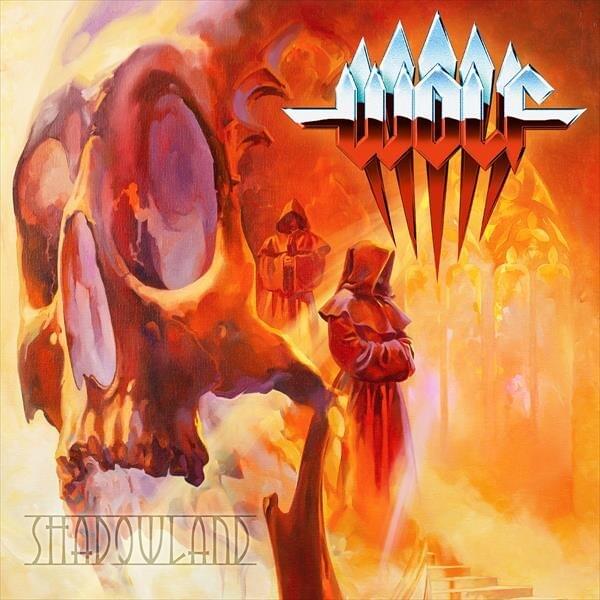
Ultimately, these lyrics resonate because they articulate a universal feeling of existential drift and the struggle to maintain a coherent sense of self in overwhelming circumstances. The "Shadowland" becomes a metaphor for this internal space of confusion and disconnection, where the very essence of one's identity feels elusive and fragile, prompting a raw and vulnerable search for any anchor.
 View Artist