Song Meaning
The lyrics paint a picture of profound dissatisfaction with a mundane existence. The narrator questions the entirety of their life, starting with the simple, almost cliché, imagery of "das bisschen Sonntag und Kinderschrei'n" (that bit of Sunday and children's screaming). This immediately sets a tone of weary resignation, suggesting that the expected joys of life feel insufficient. The repetition of "hingeh'n" (go somewhere) underscores a desperate hope for something more, a direction or purpose beyond the immediate, repetitive present.
This feeling of emptiness is amplified by the description of adult responsibilities and escapism. "Die Überstunden, das bisschen Kies" (the overtime, that bit of gravel/money) points to the grind of work and meager financial reward. The "Paradies" (paradise) found in "abends inne Glotze" (in the evening in the TV set) is a stark indictment of modern entertainment as a hollow substitute for genuine fulfillment. The narrator explicitly states, "Darin kann ich doch keinen Sinn seh'n" (I can't see any meaning in that), highlighting the hollowness of this perceived escape.
The core tension lies in the stark contrast between the narrator's yearning for a life with "Leben ins Leben" (life into life) and the perceived reality of their existence. The refrain, "Das soll nun alles gewesen sein" (This is supposed to be all there was), is a desperate plea, a "nein" (no) that rejects the idea that this is the sum total of their experience. The narrator seems to be grappling with the fear that their life, characterized by "Schaffen und Raffen und Husten und Hass" (working and grabbing and coughing and hate), is leading to an anticlimactic end.
The writing effectively uses simple, relatable images to convey a deep existential angst. The desire to "'n bisschen was Blaues seh'n" (see a bit more blue) and "paar eckige Runden dreh'n" (do a few angular laps) are evocative, almost childlike wishes for new experiences and perhaps a bit of wildness, before the inevitable "Löffel abgeben" (kick the bucket). This juxtaposition of simple desires against the backdrop of a life perceived as lacking meaning makes the narrator's plea for more incredibly potent.
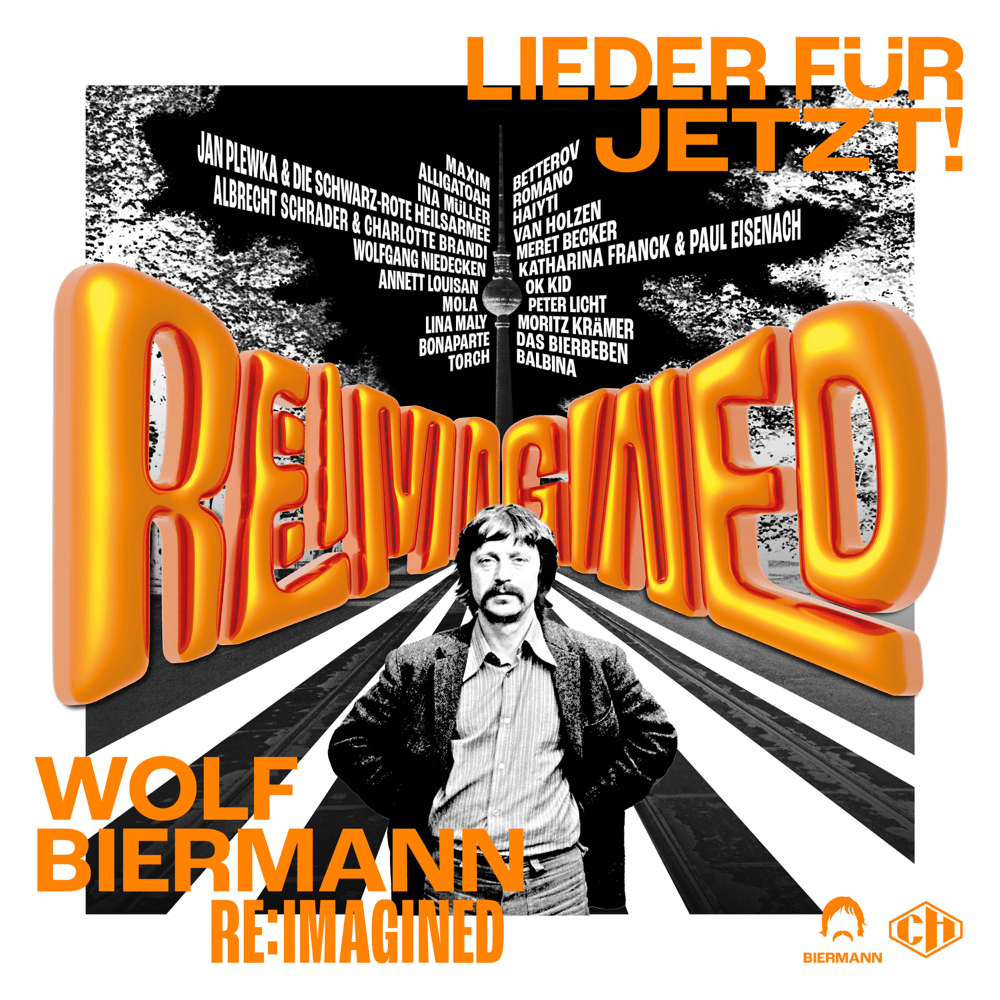
 View Artist