Song Meaning
The lyrics paint a picture of fleeting, perhaps chemically-induced, happiness that the narrator desperately tries to recapture, only to find it inevitably crumbles. The opening lines establish a cycle of trying to "recreate" a "moment's happiness" that was "never ever gonna last long" and was "only ever gonna go wrong." This sets a tone of self-recrimination, culminating in the stark admission, "in the morning I only have myself to hate."
The central tension lies in the narrator's identity crisis, posed by the repeated question: "Am I a planet hunter / Or a brave deviator?" This internal debate suggests a struggle between actively seeking new experiences or destinations (a "planet hunter") and simply veering off course or deviating from a planned path. The declaration, "I left my mind behind in 2015," further complicates this, hinting at a past event or state of mind that continues to influence the present, perhaps preventing genuine forward movement or clear decision-making.
The contrast between "happiness" and "madness" in the outro, mirroring the verse themes, highlights the precarious nature of the narrator's experiences. The lyrics suggest a pattern of seeking intense, possibly reckless, moments ("a moment's madness") that are as ephemeral as the "happiness" they chase. The narrator's desire to "initiate" these moments and their admission of only trying "to have fun" while feeling "old when I don't feel young" points to a youthful impulsivity that might be masking deeper anxieties about aging and purpose.
Ultimately, the effectiveness of these lyrics stems from their raw portrayal of a cycle of seeking and failing, coupled with a profound sense of disorientation. The self-deprecating humor and the stark self-awareness create a relatable, albeit melancholic, portrait of someone grappling with past choices and present desires, unsure if they are charting new territories or simply lost.
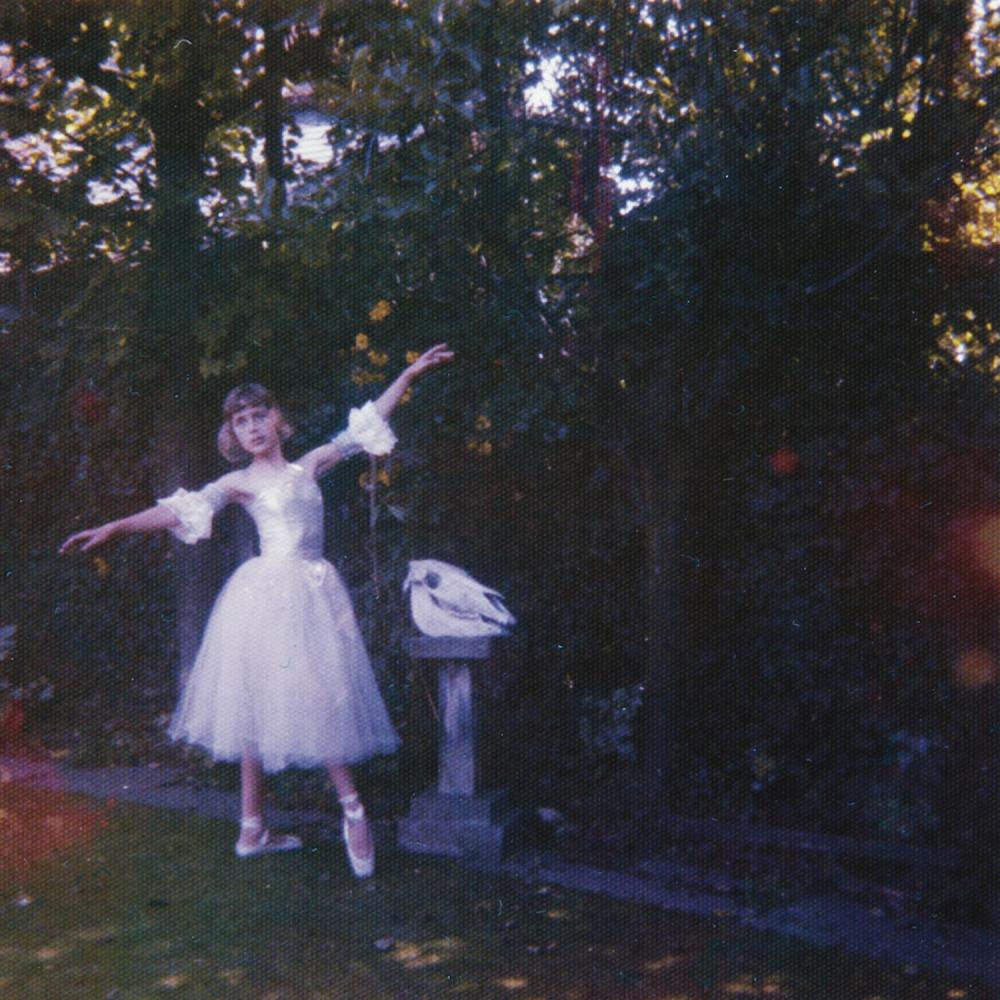
 View Artist