Song Meaning
The lyrics open with a stark, almost liturgical invocation, "O deus eicie," suggesting a plea or a command directed towards a divine entity, perhaps to cast something out. This sets a tone of dramatic, weighty pronouncements, immediately establishing a sense of conflict or expulsion. The repeated phrase "Mortatis animus solum est" anchors the piece in a contemplation of the mortal soul, its singular existence, and its potential transience or eternal nature.
The central tension seems to revolve around the duality presented by "Osstendo malum, osstendo lux" – the act of showing evil and showing light. This juxtaposition implies a struggle or a revelation where both darkness and illumination are made manifest. The lyrics then oscillate between the eternal nature of the soul ("Anima mortatis eternum est") and its potential for being a "dream of war" or a "dream of peace," hinting at the soul's complex, perhaps contradictory, experience or destiny.
The most striking aspect of the craft here is the repetitive, almost incantatory structure, particularly the refrains involving the mortal soul and the act of showing good and evil. This repetition, combined with the Latin phrasing, lends the lyrics an ancient, ritualistic feel. The direct, declarative statements create a sense of pronouncement rather than narrative, as if laying down fundamental truths or pronouncements about existence and the soul's place within it.
This piece resonates through its stark pronouncements and the weighty, existential themes it touches upon. The direct confrontation with concepts of good, evil, and the eternal soul, delivered with such unadorned intensity, creates a powerful, almost primal impact. It's the kind of writing that feels less like a story and more like an ancient decree, demanding contemplation of fundamental aspects of being.
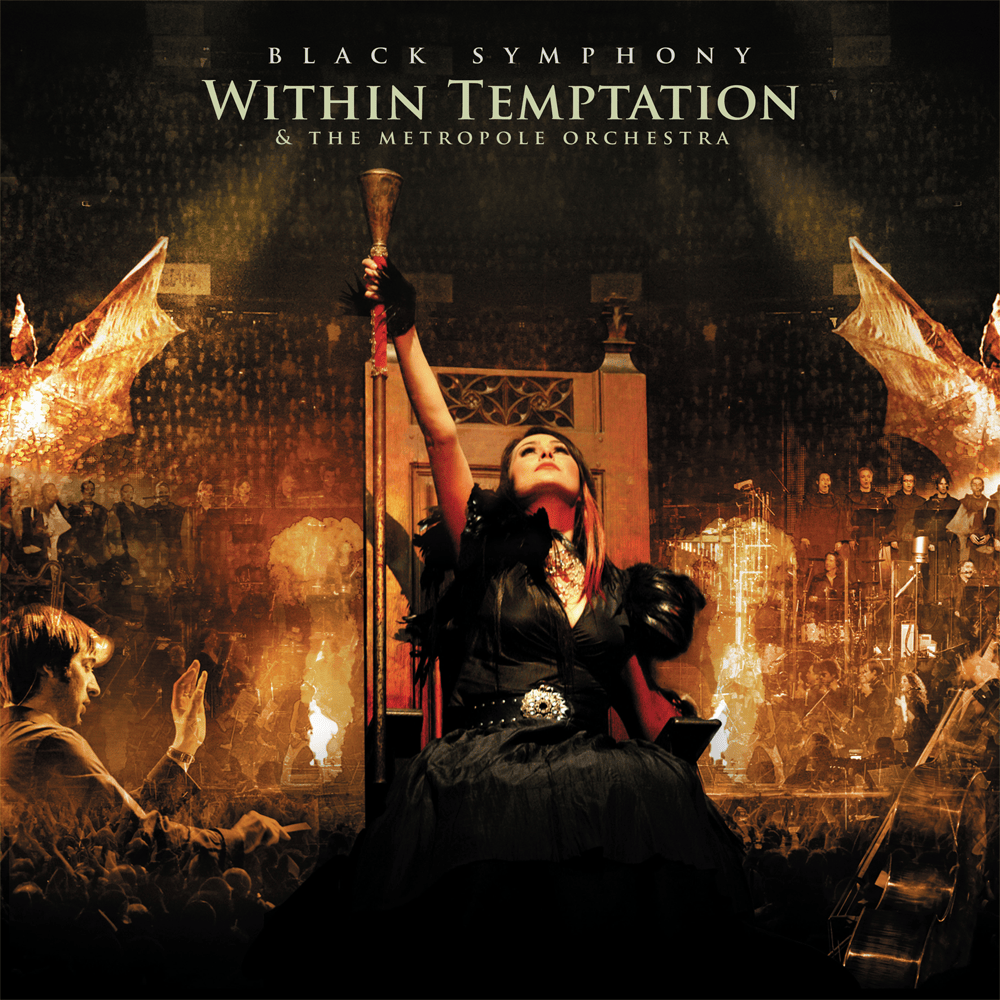
 View Artist