Song Meaning
The lyrics paint a grim picture of an encroaching, predatory force. The "shadows of the night" are "unleashed," driven by "greed" and a "morbid hunger for blood." This isn't just a metaphorical darkness; it's an active, destructive entity that "came to take our lives away," leaving a trail of death. The overwhelming sense is one of inevitable doom, a massacre where resistance was futile.
The central tension lies in the description of the attackers and their victims. The attackers possess "cold black eyes" and a "morbid hunger," suggesting an inhuman, relentless drive. The victims, in contrast, "had no chance, it was no fight," highlighting their helplessness. The chilling refrain, "You can't kill what's killed before," implies these entities are not merely alive but perhaps undead or eternally recurring, making their threat absolute and inescapable.
The most striking image is the "gatekeeper" figure who "stepped through the portal" and "ate the key." This act is pivotal, suggesting a sacrifice or a transformation. By consuming the key, he locks away the means of escape or control, becoming the "final keeper." This implies he has embraced his role, perhaps willingly, in sealing off a path to freedom for others, even as he himself found a way out through this act.
This narrative's effectiveness stems from its stark, almost primal imagery and its relentless pacing. The repetition of "died" hammers home the finality of the massacre. The introduction of the gatekeeper shifts the focus from pure victimhood to a complex figure who, by "eating the key," becomes both a jailer and a liberator of sorts, albeit through a dark, irreversible act that secures his own passage while damning others.
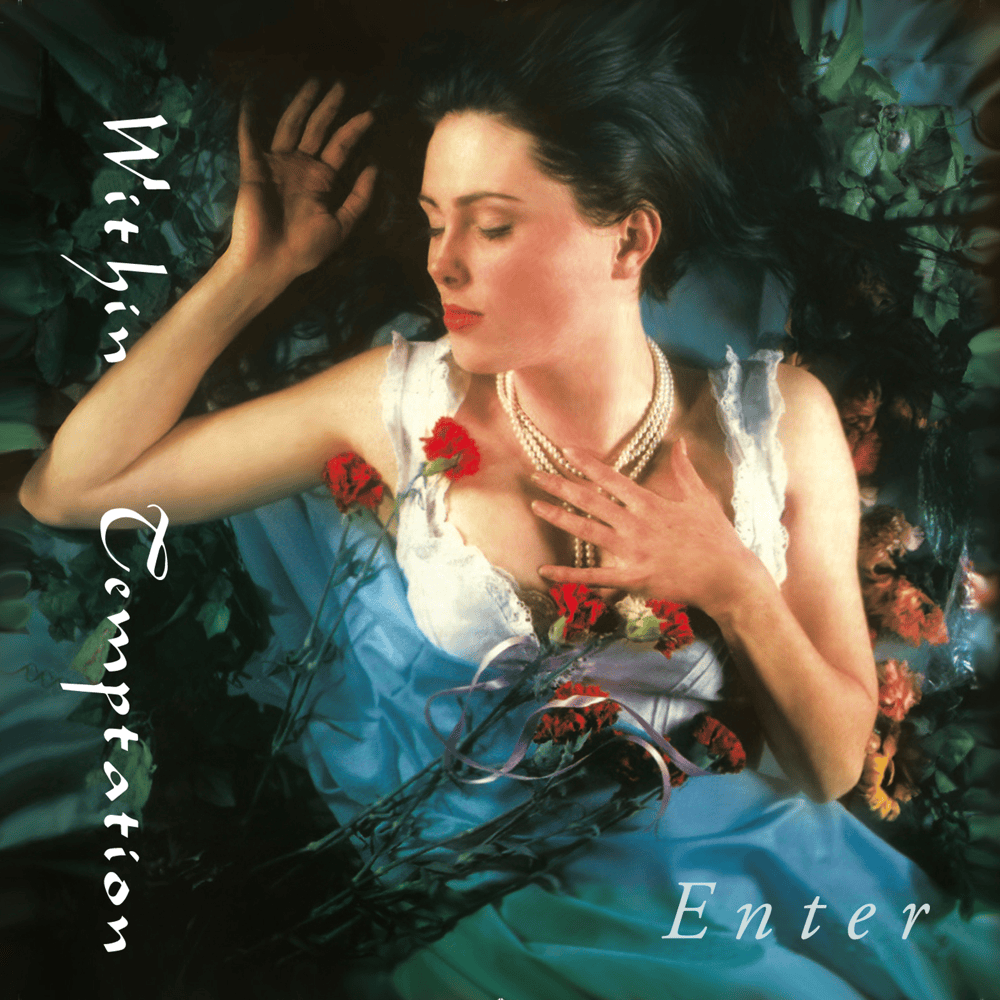
 View Artist