Song Meaning
The lyrics paint a stark picture of betrayal and disillusionment, contrasting a past shared existence with a present of isolation. The narrator begins by acknowledging a shared vulnerability, suggesting a past where fortune was the only differentiator between two people. This foundation is shattered by the actions of another, described as being "twisted the knife" and making choices that push the narrator "out in the cold."
The central tension arises from the stark contrast between the narrator's current state of loss and the other person's perceived triumph. The repeated question, "How does it feel to be on top of the world?" is dripping with sarcasm and resentment. It's not a genuine inquiry but a bitter accusation, highlighting the perceived selfishness of the other person who has seemingly benefited from the narrator's pain and loss. The lyrics suggest this person's ascent is built on deceit, leaving the narrator to confront the "lonely way."
The most striking aspect is the ironic framing of the "top of the world" scenario. Instead of a place of joy, it's presented as a solitary peak where the other person lives a life "only you can know," implying a profound disconnect and a chosen isolation born from their actions. This detachment is further emphasized by the narrator's need to "say goodbye to the old days" and "move on," signifying a forced acceptance of the new, painful reality.
Ultimately, the effectiveness of these lyrics lies in their raw emotional honesty and the sharp, accusatory tone. The simple, almost childlike phrasing of the central question, juxtaposed with the heavy themes of betrayal and loss, creates a potent sense of bitterness. The narrator isn't seeking reconciliation; they are cataloging the damage and confronting the hollowness of the other person's supposed victory.
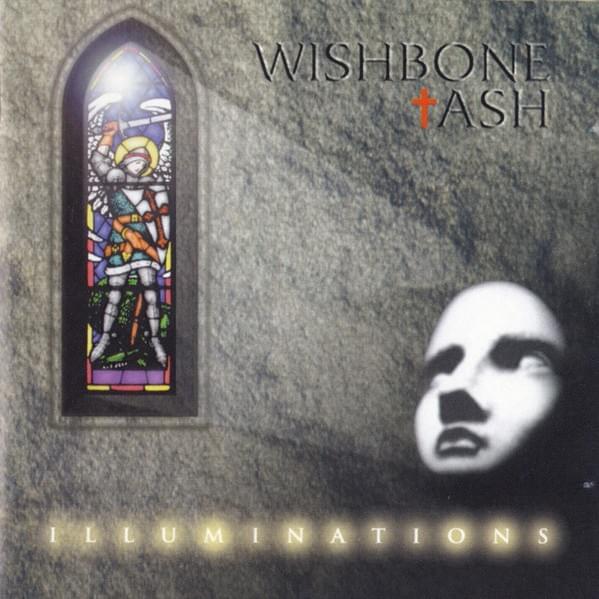
 View Artist