Song Meaning
The narrator is stuck in a holding pattern, a prolonged state of anticipation. There's a palpable sense of enduring hardship, a "long lonely summer of pain," yet the core message hinges on an unwavering, almost defiant, optimism. This isn't a passive waiting; it's an active struggle to maintain inner strength against an encroaching bleakness. The lyrics paint a picture of someone clinging to a belief in their own inherent goodness and the eventual triumph of hope.
The central tension arises from the stark contrast between the declared hope and the admitted suffering. While the narrator insists "Hope springs eternal like a flame" and that "hope will encircle and embrace us," they simultaneously acknowledge the "long lonely summer of pain" and the lingering "memories" that "will remain." This creates a push-and-pull, where the internal resolve to believe battles the external reality of isolation and sorrow. It's a testament to a spirit that refuses to be extinguished, even when surrounded by darkness.
The most striking aspect of the craft is the personification of hope. It's not just an abstract feeling; it becomes an active force, capable of "encircling and embracing" the narrator, keeping them "tight" and guiding them "with its beacon." This active, almost protective, quality of hope serves as a powerful counterpoint to the narrator's vulnerability, particularly in the poignant image of peering "through the mist" and shedding "a tear." The word "shining" repeated adds a visual emphasis to this guiding light.
Ultimately, the effectiveness of these lyrics lies in their raw portrayal of resilience. The narrator’s earnestness, their declared "yearning to be near" and sincere intentions, grounds the abstract concept of hope in a deeply personal experience. The lyrics resonate because they capture that human impulse to find light even when the path ahead is obscured by "mist" and marked by pain, suggesting that the act of believing itself is a form of strength.
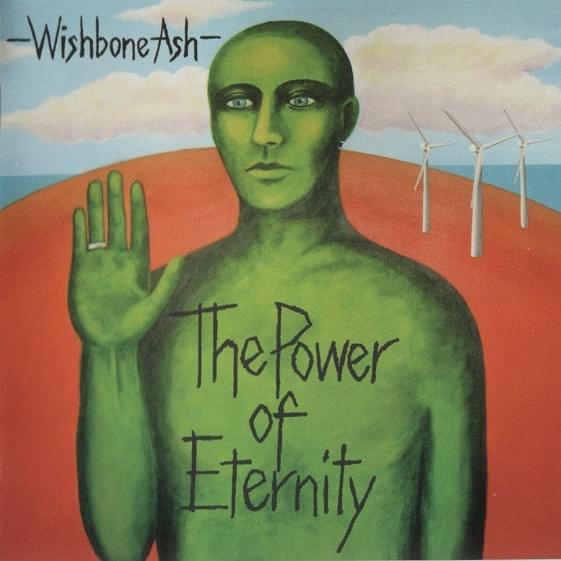
 View Artist