Song Meaning
The lyrics paint a picture of someone observing another person caught in a cycle of superficiality and internal delusion. The opening lines immediately establish a sense of detached observation, noting vanity reflected in a mirror, a superficiality that the light of truth seems to break through. This initial glimpse suggests a disconnect between outward appearance and inner reality, a theme that will be further explored. The repeated phrase "Can't explain" underscores a sense of bewilderment or inability to articulate the underlying issues at play.
The central tension arises from the narrator's questioning of the other person's perceived freedom versus their actual state of being controlled or misled. Phrases like "So you think your thoughts are free?" and "So you think your mind is free?" directly challenge the subject's self-perception. This is contrasted with the idea that their minds and souls are being "taken so far away," leaving "no remains," suggesting a profound loss of self or autonomy. The repeated "Pushing the extreme" acts as a refrain, perhaps describing the actions of the person being observed, or the intensity of the situation they are in.
The most striking craft element is the recurring motif of the mirror and the concept of freedom. The mirror initially signifies vanity, but the break in the mirror in the bridge section, coupled with the question "what is it that it wants from me?", introduces a more complex, almost confrontational dynamic. The narrator seems to be grappling with a shared past, stating "we used to be in it for the same thing," implying a betrayal or divergence that has led to a current state of opposition: "one against the other." This shift from observation to direct address and shared history adds significant emotional weight.
Ultimately, the lyrics resonate because they tap into a feeling of watching someone self-destruct or lose themselves, while simultaneously questioning the forces that might be driving this. The narrator's bewilderment and the stark imagery of minds and souls being taken away create a sense of unease and pathos. The repeated, almost frantic chorus of "Pushing the extreme" leaves the listener with a lingering question about the consequences of such actions and the ultimate price being paid.
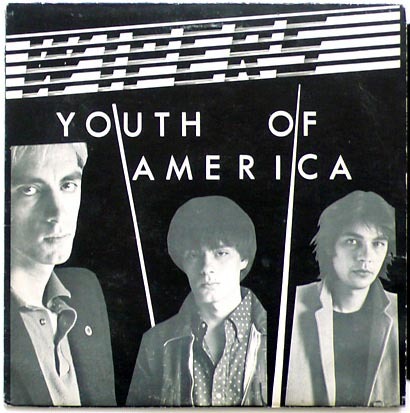
 View Artist