Song Meaning
The lyrics paint a picture of someone desperately trying to mold themselves into another's ideal, a performance built on fragile foundations. The opening lines, "Pack the bones up in a box / Paper hands and paper clocks," suggest a dismantling of the self, reducing identity to flimsy, artificial components. This narrator is willing to become "who I think I was" and "anything / You wish I was," highlighting a profound lack of self-definition in favor of external validation. It’s a quiet surrender, a willingness to be reshaped by another’s gaze.
The core tension lies in this desperate adaptability versus a growing awareness of the other's disconnect. While the narrator offers to be "anything / You wish I was," the repeated question, "Will you be ready when / The lights go off?" implies a fear that the performance can only be maintained in the dark, away from scrutiny. The phrase "Careful what the light catches" reinforces this anxiety about exposure, suggesting the constructed self is easily shattered. The narrator’s readiness for the "lights go off" implies a preference for an unobserved state, perhaps where true self or true connection might emerge, or where the illusion can finally cease.
The most striking element is the stark contrast between the narrator's chameleon-like self-effacement and the insistent, almost taunting, refrain of "Happiness, it's all around you." This phrase, repeated relentlessly in the bridge and outro, feels deeply ironic given the narrator's apparent internal struggle and the other person's potential obliviousness. The parenthetical "(You don't feel it all around you)" in the outro directly challenges the preceding statement, suggesting that the happiness being offered is either not perceived by the intended recipient or is a hollow promise. This creates a powerful sense of isolation, where the narrator is performing a role for someone who might not even be present or aware of the effort.
Ultimately, these lyrics resonate because they capture the exhausting effort of maintaining a facade for someone else, especially when that person seems distant or unappreciative. The meticulous construction of a false self, the fear of exposure, and the ironic counterpoint of unacknowledged happiness combine to create a poignant portrait of emotional labor and unmet connection. The writing crafts a feeling of unease and longing, leaving the listener to ponder the cost of such self-erasure and the possibility of genuine connection beyond the performance.
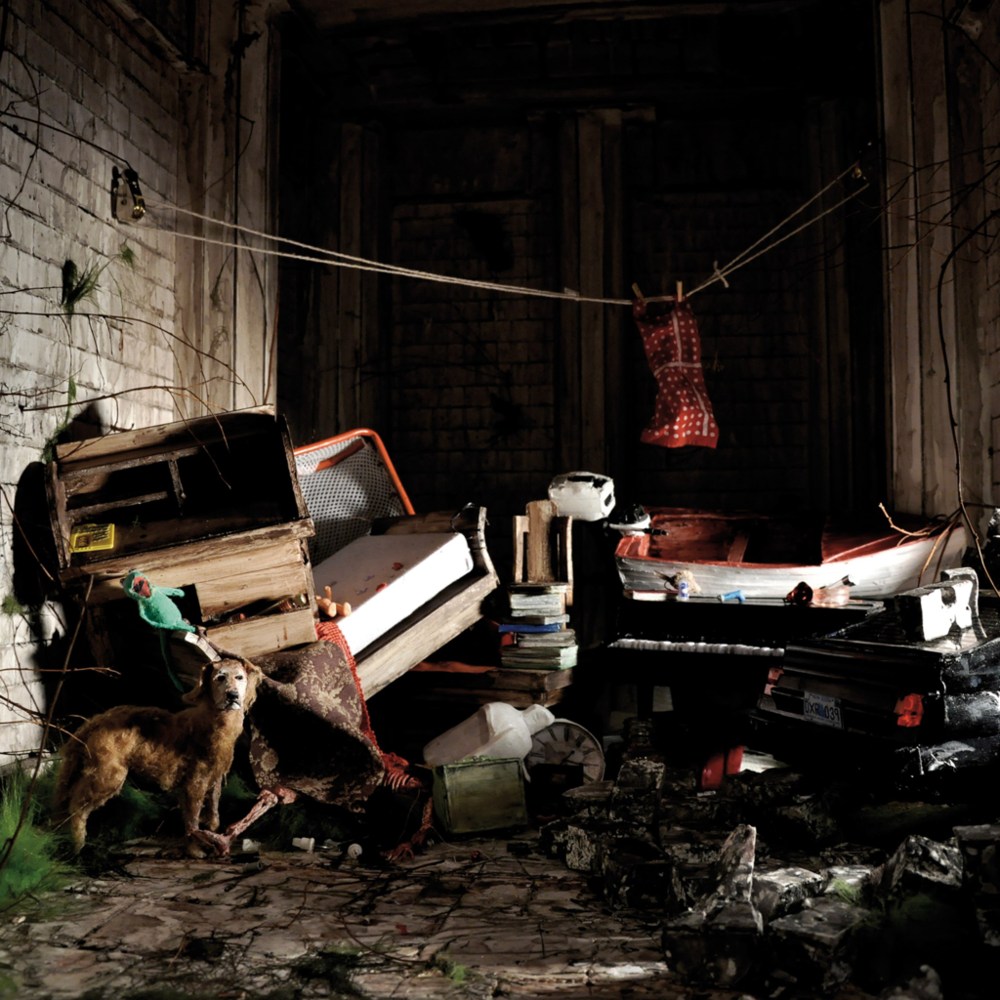
 View Artist