Song Meaning
The narrator's heart aches for love, a feeling they associate with a perfect, almost infallible state where "I can't go wrong." This idealized love is repeatedly framed as "love in song," suggesting it exists more vibrantly in musical expression or memory than in present reality. The repetition of "love in song" acts as a mantra, emphasizing the longing for this idealized romantic state.
The core tension arises from the contrast between the remembered joy of love and a present sense of loss or misunderstanding. The narrator can vividly recall shared experiences, seeing "the places that we used to go to now," which are tied to "happiness in the homeland." However, this nostalgic happiness is immediately undercut by a "tear stillborn, misunderstanding," indicating that the past is tainted by unresolved issues or a present inability to recapture that former bliss.
The most striking craft element is the juxtaposition of idealized romantic pronouncements with stark emotional imagery. Phrases like "My heart cries out for love" and "you're so fine" are immediately followed by the melancholic "tear stillborn." This creates a disorienting effect, mirroring how intense longing can coexist with deep sadness, making the "happiness in the homeland" feel more like a phantom limb than a present comfort.
These lyrics resonate because they capture the bittersweet ache of remembering past happiness while grappling with present emotional disconnect. The simple, almost childlike repetition of "love in song" highlights a yearning for a pure, uncomplicated feeling, while the "tear stillborn" grounds the emotion in a more complex, perhaps even painful, reality. It’s the sound of love remembered, amplified by music, yet shadowed by a present misunderstanding.
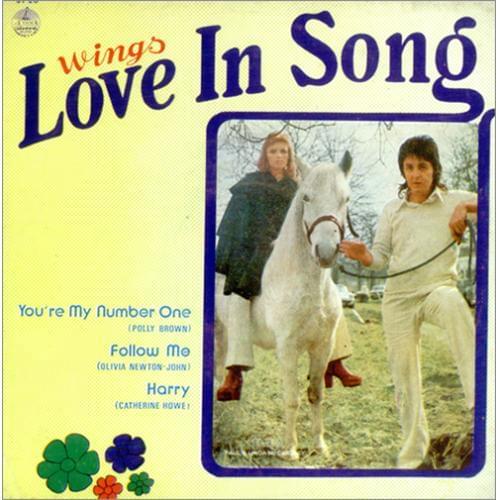
 View Artist