Song Meaning
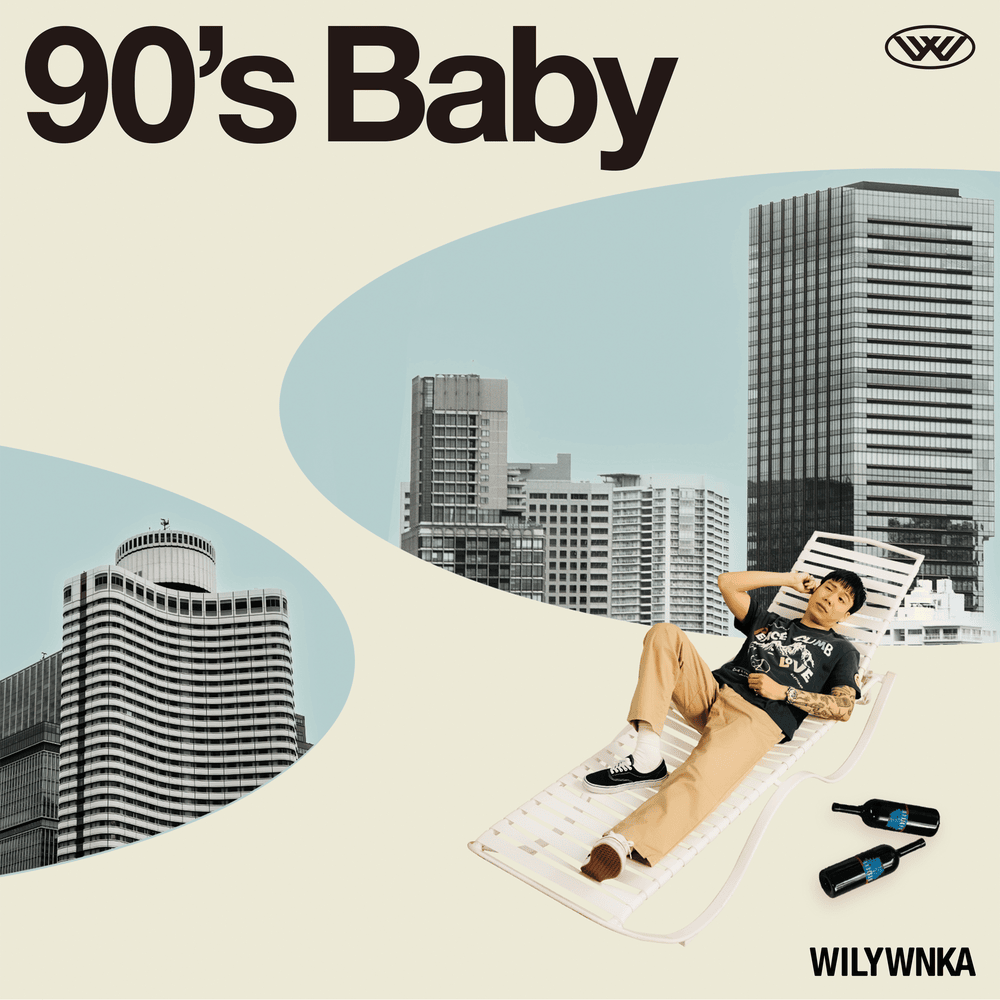
The lyrics paint a vivid picture of transformation and self-assertion, contrasting past struggles with present success. The narrator, WILYWNKA, opens by detailing a journey from selling "that stuff" in high school to now earning "clean money" and enjoying fine dining, specifically "filet mignon." This shift is framed as a natural progression, with his past experiences "escorting" him to his current elevated status. He grounds this in specific childhood memories – being a "kid who likes Hanshin" in Osaka, playing until the "5 o'clock chime," and riding his bike with a runny nose, even getting a tattoo of "Hana-chan" on his right foot. This nostalgic yet determined tone sets the stage for his present-day confidence, declaring "I feel like majestic" and emphasizing action over words, stating "When I do it, I act without grumbling."
The core tension lies in the narrator's defiance against detractors and his embrace of his identity. He dismisses those who "trap you in a snare" and "stack up fakes," asserting that his influence comes from his "rap," not his "attitude." The aggressive dismissal of "anti-comments" as deserving to "die and be shamed" highlights a fierce protectiveness of his hard-won position. This is echoed by Ryuzo, who identifies as a "back alley OG" and emphasizes authenticity, stating "The real thing is my selling point, it's been a while." He contrasts this with "fakes pretending to be real," reinforcing the theme of genuine artistry versus superficiality. Ryuzo's pride in creating "from zero to one" and honing his "life skills" further solidifies this focus on intrinsic value.
Ryuzo's verse introduces a powerful sense of legacy and dedication to the hip-hop culture. He positions himself as a "90's ghost" who "won't forget Tokona X's fate," connecting his present to a revered past and acknowledging the sacrifices made by pioneers. He views the current "HIP HOP game" as a "dreamlike scene" and aims to prove "LOVE beyond Diss and Beef." This reverence for the genre's roots and his commitment to its spirit adds a layer of depth to the self-celebration, suggesting his success is not just personal but also a contribution to the culture he cherishes. The repeated hook, "Who I am / Former trash, now a rapper," is a blunt, almost defiant declaration of this transformation, stripping away pretense and owning both his past and present.
The lyrics' effectiveness stems from their raw honesty and the stark contrast between past and present realities. The specific, almost mundane details of childhood – the park, the bike, the runny nose – make the narrator's rise feel earned and relatable, even as he boasts about "filet mignon" and "clean money." This juxtaposition creates a compelling narrative of overcoming humble beginnings. The repeated affirmation of "Who I am" in the hook, coupled with the aspirational "Let's go higher" in the outro, solidifies a message of relentless self-belief and upward mobility, grounded in a clear-eyed acknowledgment of where he came from and a determined vision for where he's going.