Song Meaning
The track opens with a laid-back declaration: "一息ついたら Chill out shit" (Take a breath and chill out, shit). It immediately grounds the listener in the mundane, the "その辺の一般人" (just your average person) settling into their "いつものイス" (usual chair). There's a wistful nod to a past ambition, symbolized by spreading a "世界地図" (world map), acknowledging that "にはとうに戻れないよ" (can't go back to that anymore). The relentless march of "Everyday" is accepted, not with resignation, but with a pragmatic "終わってないし悪くもない" (it's not over, and it's not bad), setting a tone of quiet contentment.
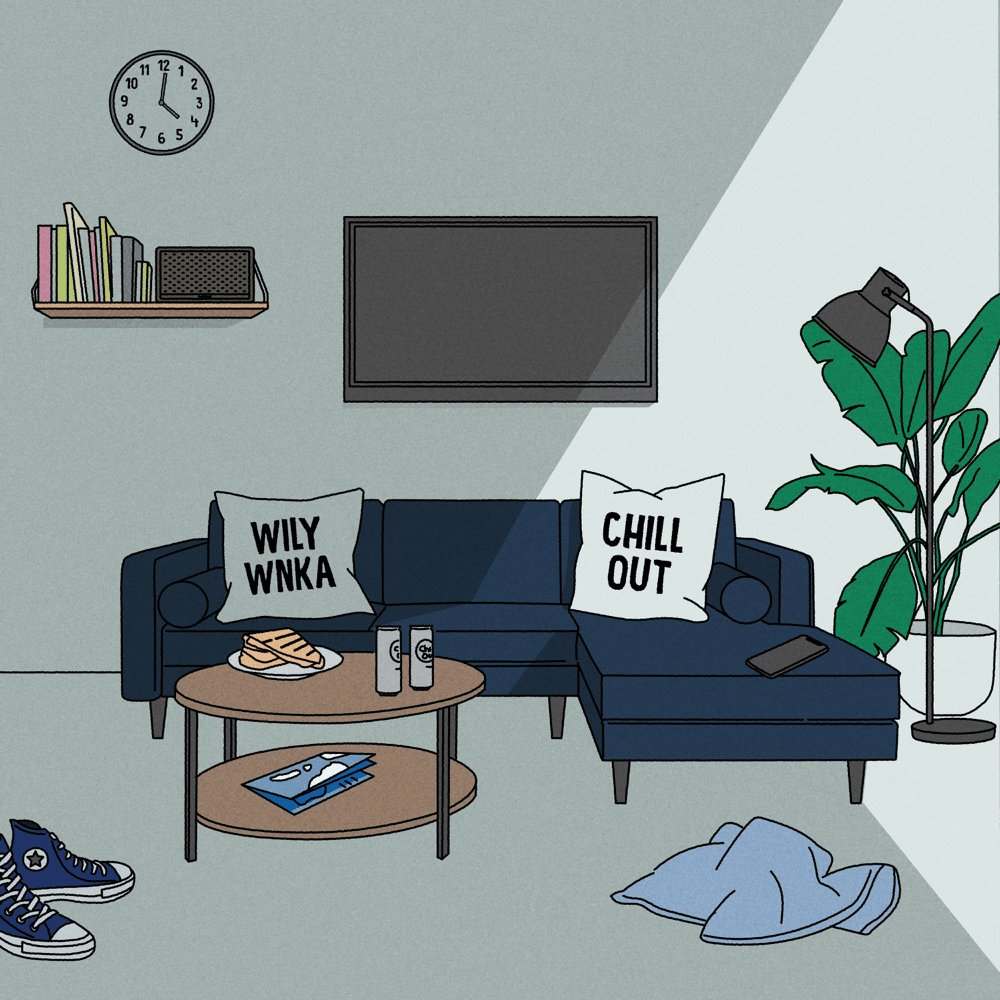
The core tension lies in navigating the daily grind versus holding onto past dreams, or perhaps finding new ones. The narrator rushes home, a stark contrast to the desire to "Chill out." The "43度の風呂" (43-degree bath) and "シャワーで流してく今日の苦労" (washing away today's struggles in the shower) are vivid images of seeking solace. Even the simple act of opening a drink and collapsing onto the sofa with a "TV SHOW" becomes a moment of earned peace, a "re-run" of enjoyment. The lyrics suggest that fulfillment isn't always grand; it can be found in the "NICE SESSION" of "みかんとこたつ" (mandarin oranges and a kotatsu), a cozy, familiar comfort.
The craft shines in its juxtaposition of frantic daily life and moments of deliberate calm. The imagery of "のび太くんみてぇに慌てふためき" (flustered like Nobita) captures the chaotic morning rush, only to be immediately followed by the almost ritualistic "プシュっと空けたらほら Chill out" (pop it open and, see, chill out). This contrast highlights the narrator's active choice to create moments of peace amidst the "生きる為の闘い" (fight for survival). The lyrics acknowledge the repetitive nature of life, "そんな事の繰り返しだろ?" (It's just a repetition of such things, right?), but finds a defiant beauty in it, suggesting "そこに愛を見出すんだろ?" (You find love there, right?).
Ultimately, the effectiveness of these lyrics stems from their honest portrayal of finding satisfaction in the ordinary. It's not about achieving grand external goals, but about appreciating the small, personal victories and moments of respite. The narrator's acceptance of the everyday, coupled with the deliberate act of "chilling out," creates a relatable narrative of self-care and finding contentment. The closing lines, looking forward to meeting friends in the future, "未来で落ち合おう" (let's meet up in the future), offer a hopeful, grounded perspective on life's ongoing flow.
 View Artist