Song Meaning
The lyrics open with a plea, "Ai, tem dó," which translates to "Oh, have pity" or "Oh, feel sorry." This immediately sets a tone of lament or regret, specifically directed at the idea that those who have shared a life cannot bear to be alone. The repetition of this sentiment, coupled with the assertion that "you won't have anything better," suggests a deep-seated belief in the irreplaceable nature of a shared past, even if the present is difficult.
The core tension arises from a confrontation about how the relationship began and evolved. The narrator challenges the other person, asking them not to take offense because they were met "like this." The implication is that the narrator's current state or behavior is what attracted the other person initially, as evidenced by "Wasn't that how you fell in love?" This frames the current dissatisfaction as a potential betrayal of that initial attraction.
A striking element is the narrator's defense and counter-accusation. They admit to falling in love "even crazy like this," mirroring the other's supposed initial attraction. The repeated question, "Wasn't it someone who changed?" or "Wasn't it someone who changed?" shifts the blame, suggesting that if the relationship has soured, it's not solely the narrator's fault but a product of mutual change or one party's alteration.
This lyrical exchange is effective because it captures a specific, raw moment of relationship conflict. It moves beyond simple blame to question the very foundation of the connection and the nature of change within it. The insistent repetition of the question about who changed leaves the listener with a lingering sense of unresolved doubt and mutual responsibility, highlighting the painful complexity of long-term partnerships.
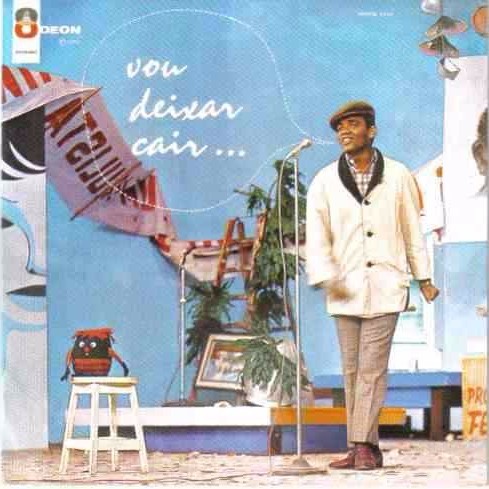
 View Artist