Song Meaning
These lyrics paint a vivid picture of a narrator climbing a hill, driven by a simple curiosity: to witness the unique spirit of the Black man. The repeated phrase, "Subi lá no morro só pra ver," immediately establishes an observational stance. It's a quest to understand the source of a particular magic—the ability "pra sambar gostoso e fazer samba como ninguém."
The central tension here lies in samba's power to transform. The lyrics suggest that "Negro sambando esquece da dor," positioning the dance not just as entertainment, but as a profound act of catharsis. It's a way to channel deep emotion, as the narrator observes, the Black man "transporta pro samba o amor." This makes samba an act of both forgetting and expressing, a beautiful paradox at the heart of the performance.
The craft truly shines in how it grounds this powerful expression in specific cultural details. The lyrics reveal the inspirations: the "nêga que passa" and the ritualistic consumption of "cachaça," which isn't drunk "sem antes salvar à xangô." These lines aren't just descriptive; they weave a rich tapestry of community, spirituality, and tradition that fuels the creative fire. The samba isn't just a dance; it's a sacred, inspired act.
Ultimately, these lyrics are effective because they celebrate samba as an infectious, life-affirming force. The observation that the Black man "faz sambar muita gente que nunca sambou" speaks to its communal power. It's a testament to how a deeply personal expression, born from specific cultural roots and even pain, can transcend its origins to create shared joy and connection, drawing everyone into its irresistible rhythm.
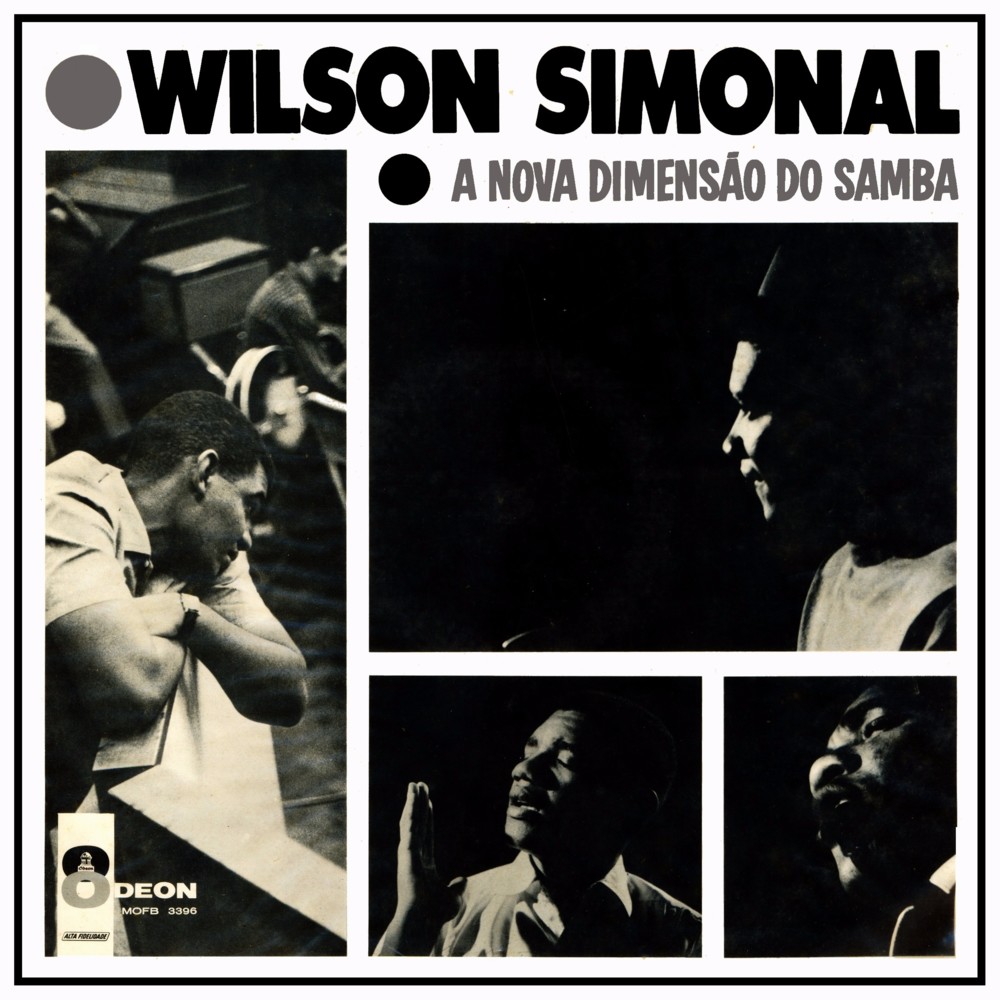
 View Artist