Song Meaning
The lyrics open with a stark, repeated command to "Cai cai" (fall fall) and an immediate, firm refusal: "Eu não vou te levantar" (I won't lift you up). This establishes a detached, almost fatalistic tone right from the start. The narrator observes a fall, physical or otherwise, and places the responsibility squarely on the one who "escorregar" (slipped).
This initial refusal creates a central tension, as the lyrics then broaden the concept of "falling." It's not just a person slipping; "cai a chuva no telhado" (rain falls on the roof) and "seu olhar caiu no meu" (your gaze fell on mine), suggesting a natural, almost passive occurrence. Yet, this gentle imagery is quickly undercut by the heavier "cai a sombra do passado" (shadow of the past falls) over "um sonho que morreu" (a dream that died), hinting at deeper, more painful declines.
The genius lies in the multifaceted use of "cai." It shifts from a literal slip to the gentle descent of rain, then to the profound impact of a gaze, and finally to the crushing weight of the past. This culminates in the poignant observation that "a saudade é uma garoa" (saudade is a drizzle) that "caiu no coração" (fell in the heart). This metaphor beautifully captures a pervasive, gentle yet persistent sadness, suggesting that some emotional "falls" are as inevitable and pervasive as a light rain.
The lyrics are effective because they blend a seemingly harsh, unyielding stance with a deep, melancholic understanding of human vulnerability. The narrator's refusal to intervene ("não vou te levantar") isn't necessarily cruel; it seems to stem from a recognition that some "falls" are either self-inflicted ("quem mandou escorregar") or simply part of life's inevitable course, like the rain. This creates a powerful sense of resignation, where personal responsibility meets the universal experience of decline and loss, leaving the listener to ponder which "falls" are truly beyond help.
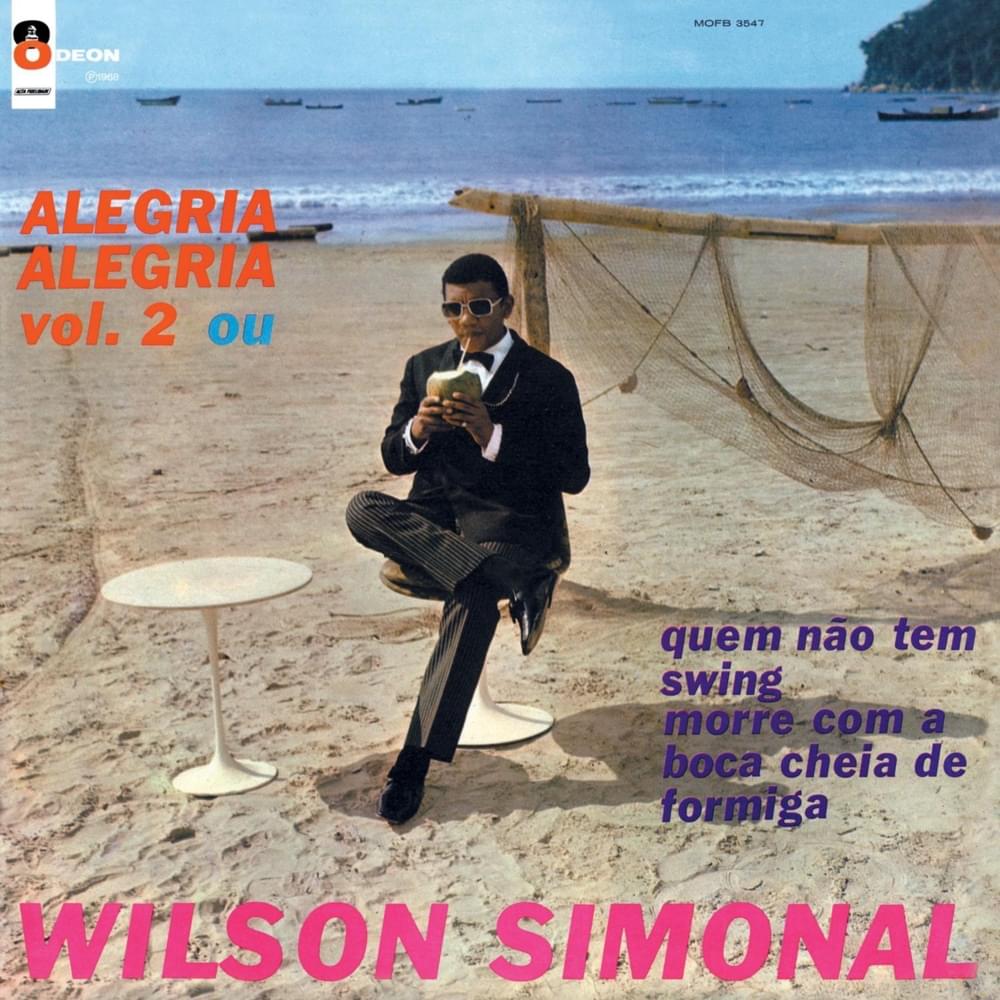
 View Artist