Song Meaning
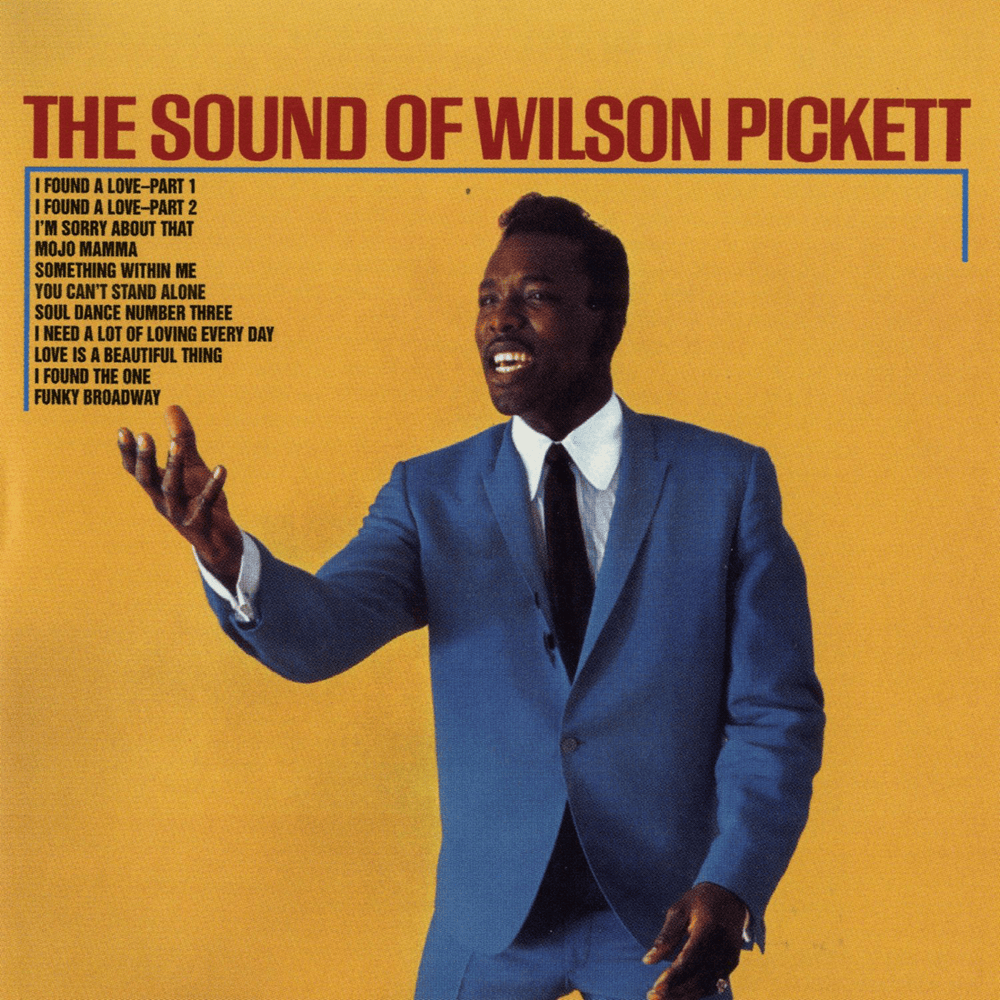
{"song_id": 13745579, "meaning": "Wilson Pickett's \"Mojo Mama\" is a primal scream of desire and escape, steeped in the humid folklore of the American South. The song, a raw and immediate expression of lust, centers on the narrator's pursuit of a \"mojo woman's daughter,\" a figure shrouded in mystique and the promise of unparalleled pleasure. The \"mojo\" itself represents a potent, almost supernatural, feminine power – a force that both attracts and threatens to bind. The narrator isn't just after a woman; he's attempting to liberate her (and perhaps himself) from the clutches of this ancestral magic. The lyrics paint a vivid picture of a backwoods encounter, thirty-two miles deep into a swamp, a place where the boundaries between reality and the supernatural blur. This journey is fueled by an intoxicating mix of infatuation and the thrill of the forbidden. The woman's scent is like a wildflower, a natural aphrodisiac, and her touch promises a madness that the narrator willingly embraces.
The recurring plea to the \"Mojo woman\" to \"set your daughter free\" underscores the central conflict. The narrator recognizes the power dynamic at play. He's not simply wooing a woman; he's challenging a legacy, a tradition, a source of power. The train to Atlanta becomes a symbol of liberation, a means of escape from the swamp's gravitational pull. It's a promise of a new life, free from the constraints of the \"mojo woman\" and her influence. The train's whistle, echoing the mother's call, adds a layer of urgency and a sense of impending doom.
Ultimately, \"Mojo Mama\" transcends a simple love song. It's a story of rebellion against inherited power, a yearning for unadulterated experience, and a desperate attempt to break free from the chains of the past. The song's power lies in its ability to tap into deep-seated anxieties about tradition, control, and the intoxicating allure of the unknown. Pickett's raw vocal performance amplifies the sense of urgency and desperation, making \"Mojo Mama\" a timeless anthem of desire and escape."}
 View Artist