Song Meaning
The narrator is declaring a newfound sense of liberation, asserting that the relationship's end has brought relief and clarity. The initial lines, "Feelin' better, now that we're through" and "Feelin' better, 'cause I'm over you," immediately establish a tone of catharsis and self-affirmation. This isn't a mournful breakup song; it's a triumphant declaration of freedom from a toxic connection, marked by the acknowledgment of a "scar" that served as a harsh but necessary lesson.
The central conflict arises from the narrator's realization of the partner's true nature, encapsulated in the insistent, almost mantra-like repetition of "You're no good." This phrase isn't just an accusation; it's a definitive judgment that seems to have been hard-won. The lyrics then pivot to an unexpected confession: the narrator admits to having broken someone else's heart, and that this act was a consequence of the relationship with the "no good" partner, suggesting a cycle of hurt and betrayal.
The most striking element is the dramatic shift in perspective and the raw admission of guilt. The narrator confesses, "I broke her heart, it's gentle and true / Yes I broke her heart, over someone like you." This reveals a complex emotional landscape where the narrator, while escaping their own pain, acknowledges causing pain to another. The plea for forgiveness, "I'll beg his forgiveness, on bended knee," underscores the depth of this regret and the narrator's understanding of the damage inflicted.
Ultimately, the effectiveness of these lyrics lies in their unflinching honesty and the unexpected turn they take. The song moves beyond a simple breakup anthem to explore the messy consequences of toxic relationships, including the collateral damage inflicted on others. The repeated, declarative "You're no good" serves as a powerful anchor, but it's the subsequent confession of guilt that adds a layer of profound, albeit painful, self-awareness, making the narrator's final "going my way" feel earned, if not entirely unburdened.
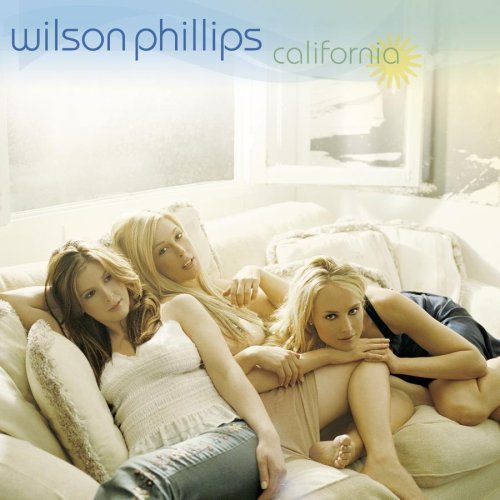
 View Artist