Song Meaning
The narrator paints a stark picture of a life unlived, a series of potential misfortunes averted by the arrival of a significant other. The opening verse immediately establishes a sense of past vulnerability, suggesting a trajectory toward aimlessness and despair. Phrases like "nothing much in store" and "without a goal" highlight a perceived lack of future prospects before this person entered the picture. The narrator acknowledges a potential path of isolation, "a life alone," but crucially, this is the very scenario that the beloved's presence has rescued them from.
The central tension lies in the contrast between these potential negative outcomes and the transformative power of love. The lyrics repeatedly emphasize what the narrator "might have been" – a "helpless soul," someone "roaming" without connection, or a lonely "stay-at-home." These are not abstract possibilities but concrete images of a life devoid of purpose and companionship. The beloved's intervention, described as "loving arms" and a "sweet kiss," is presented as the direct antidote to this bleak potential, actively preventing the narrator from becoming these lost versions of themselves.
The most striking aspect of the craft here is the persistent, almost incantatory repetition of "I might have been." This phrase acts as a constant reminder of the precipice the narrator stood upon, underscoring the magnitude of their rescue. The structure builds by presenting a series of negative "might have beens" only to immediately counter them with the positive impact of the beloved. The outro, a simple echo of the core phrase, leaves the listener with the lingering weight of these averted fates, emphasizing the ongoing need for the love that provides this salvation.
This lyrical approach is effective because it grounds abstract fears in tangible, relatable scenarios of loneliness and lack of purpose. The direct address and the clear cause-and-effect relationship between the beloved's actions and the narrator's salvation create a powerful emotional arc. The constant return to the "might have been" emphasizes not just gratitude but a deep-seated awareness of how precarious their current happiness feels, making the plea "don't let me be" resonate with genuine urgency.
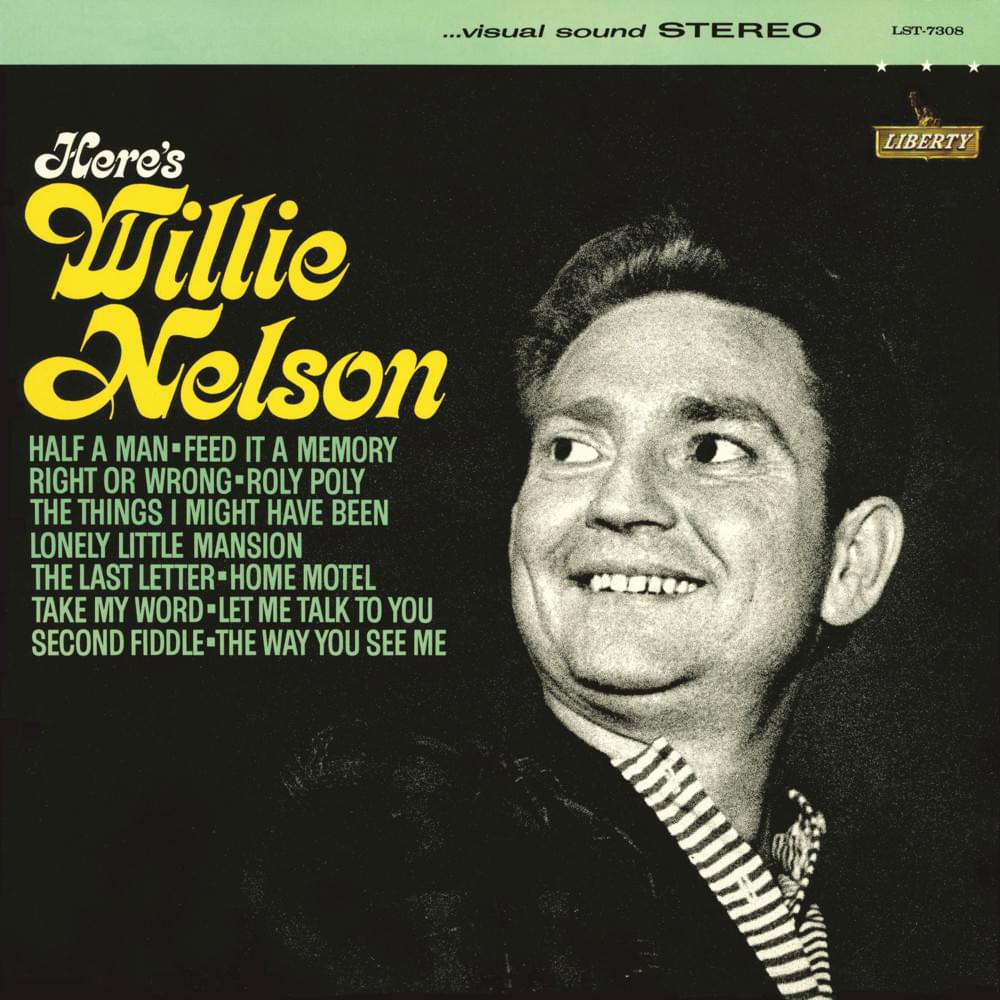
 View Artist