Song Meaning
The narrator is exhausted by repeated failures to achieve shared dreams, leading to a profound sense of disillusionment. The opening lines immediately establish a weary tone, posing a rhetorical question about shared trouble and the futility of past efforts. It seems the couple once held grand, individual "dream worlds," but the present reality is far from that ideal, prompting the core suggestion: "try it once alone."
The central tension arises from the conflict between enduring love and the persistent inability to realize their aspirations together. The narrator insists "love alone can't make a dream come true," acknowledging affection but recognizing its insufficiency against external pressures or internal limitations. This isn't a rejection of the other person, but a pragmatic, albeit painful, assessment that their combined efforts have consistently fallen short, leaving them "victims of the times."
The repeated refrain, "Don't you think that we should try it once alone," acts as a desperate plea for individual agency and a chance at personal fulfillment. The lyrics suggest a recognition that while their shared history is marked by "parting tears" and "trouble," the potential for happiness still exists, but perhaps only through separate paths. This phrasing implies a hope that individual pursuits might succeed where joint ventures have failed.
This song hits hard because it articulates a common, painful realization: sometimes, even with love, shared dreams are unattainable. The narrator's careful phrasing – "It's not your fault and neither is it mine" – softens the blow of separation, framing it as a collective struggle against circumstances rather than a personal failing. The quiet resignation and the underlying hope for future happiness, even if apart, make the suggestion to "try it once alone" feel both heartbreaking and necessary.
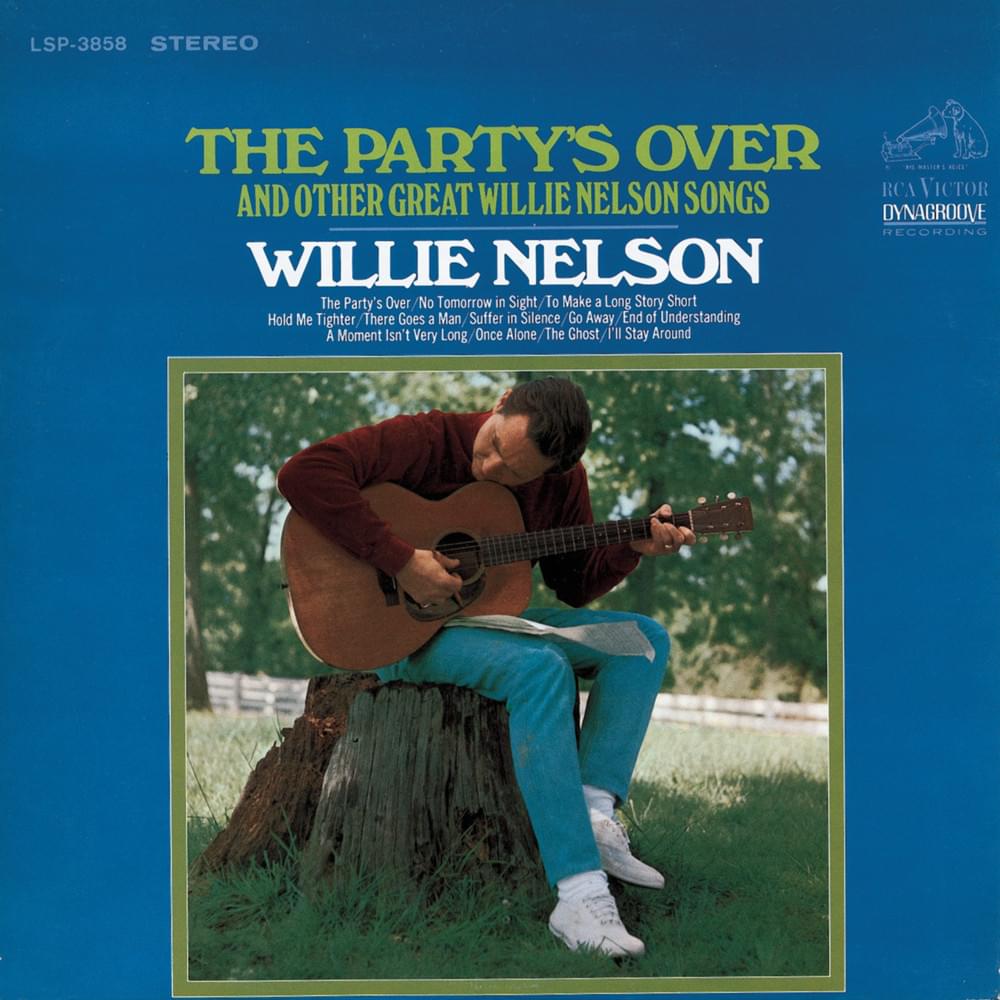
 View Artist