Song Meaning
The narrator grapples with a lifetime of trying to prove their worth beyond external perception. Early on, the lyrics suggest a struggle against the fleeting nature of luck and quick money, contrasting it with a specific kind of person: "old five and dimers like me." This phrase, repeated throughout, seems to represent a particular, perhaps unconventional, way of living and being, one that doesn't necessarily align with conventional success.
The core tension emerges from the narrator's desire for self-definition versus the perceived limitations of their circumstances and identity. The presence of a supportive figure in Verse 2 offers a glimpse of stability, yet the narrator immediately pivots back to their own perceived nature. The line "well fenced yards ain't hole cards" implies that security and opportunity aren't the same, and that external structures don't necessarily change fundamental character or fate.
The most striking aspect is the self-acceptance that solidifies in Verse 3. The narrator moves from trying to be "more than the measure" to a profound realization: "All that I do or say is all I ever will be." This isn't resignation, but a powerful embrace of their identity as an "old five and dimer." The repeated assertion "is all I intended to be" reframes this identity not as a failure, but as a deliberate, albeit perhaps hard-won, destination.
This lyrical journey resonates because it captures the universal human effort to reconcile internal self-perception with external judgment. The specific, almost cryptic, phrase "old five and dimers" acts as a powerful anchor for this internal struggle, making the eventual self-acceptance feel earned and deeply personal. The final lines offer a quiet defiance, suggesting that true satisfaction comes from owning who you are, regardless of conventional metrics.
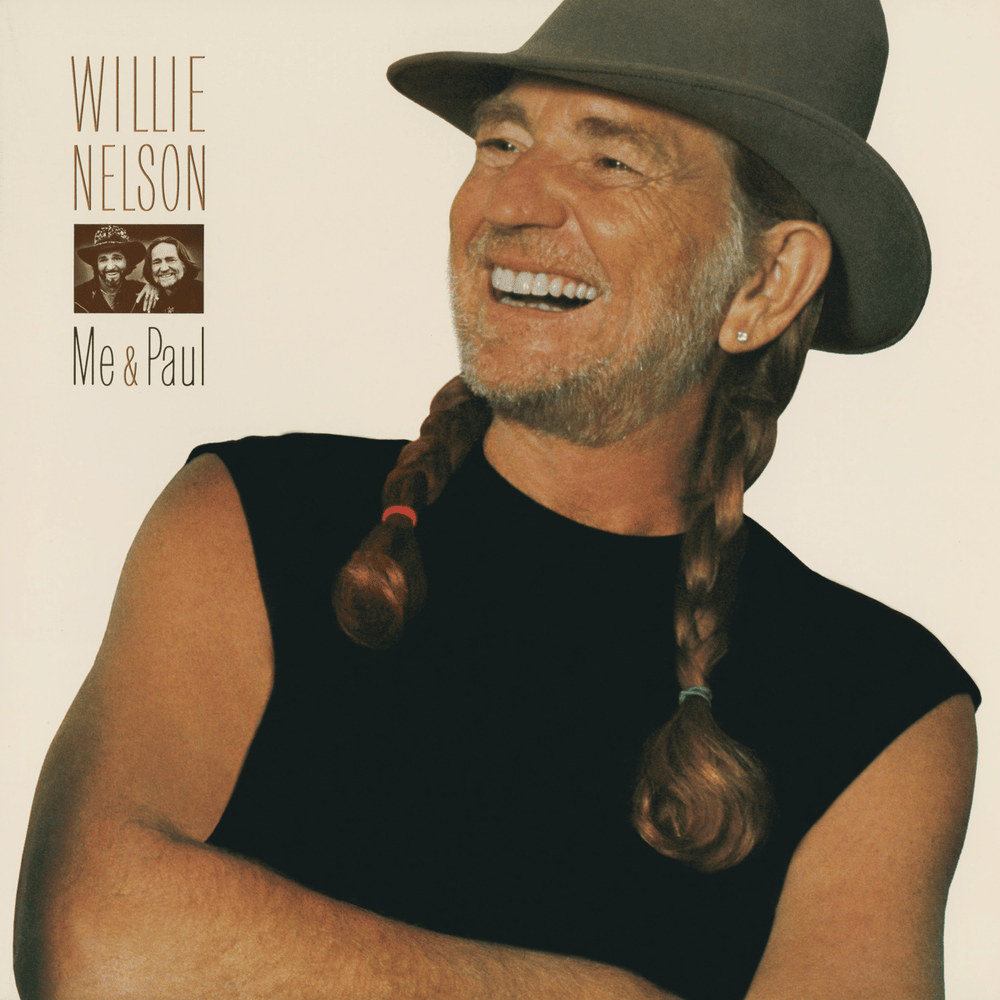
 View Artist