Song Meaning
These lyrics capture the quiet devastation of a speaker grappling with a partner's departure and betrayal. The narrator initially offers a magnanimous front, claiming they'd be "the last one to tell you that you shouldn't go." But this apparent acceptance quickly gives way to a profound, almost polite, bewilderment. The core question, "Do you mind too much if I don't understand?" frames the entire emotional landscape.
The central tension here lies between the speaker's attempts at composure and the raw hurt bubbling beneath. They acknowledge the other person's perceived philosophy—"Life is short and sweet, break all the hearts you can"—with a biting sarcasm that suggests deep offense. The accusation that "it's all a game to you" reveals the speaker's belief that their love was trivialized, a stark contrast to their own vulnerability: "someone who needs and loves you so."
The repeated refrain, "Do you mind too much if I don't understand?" is a masterclass in understated emotional impact. On the surface, it's a polite query, almost seeking permission for their confusion. Yet, with each repetition, it morphs into a resigned statement of profound incomprehension, a quiet indictment of the other person's actions. The final, emphasized "Do you mind too much" underscores the lingering, unanswerable question that haunts the speaker.
Ultimately, these lyrics are effective because they don't resort to histrionics. Instead, the quiet dignity of the speaker's pain, expressed through a veneer of politeness, makes the betrayal feel all the more cutting. The shattering of "so many plans" and the feeling that it all seems "so unreal to me" grounds the abstract concept of heartbreak in a deeply personal, relatable loss, leaving the listener to feel the weight of what's been lost and the quiet agony of not understanding why.
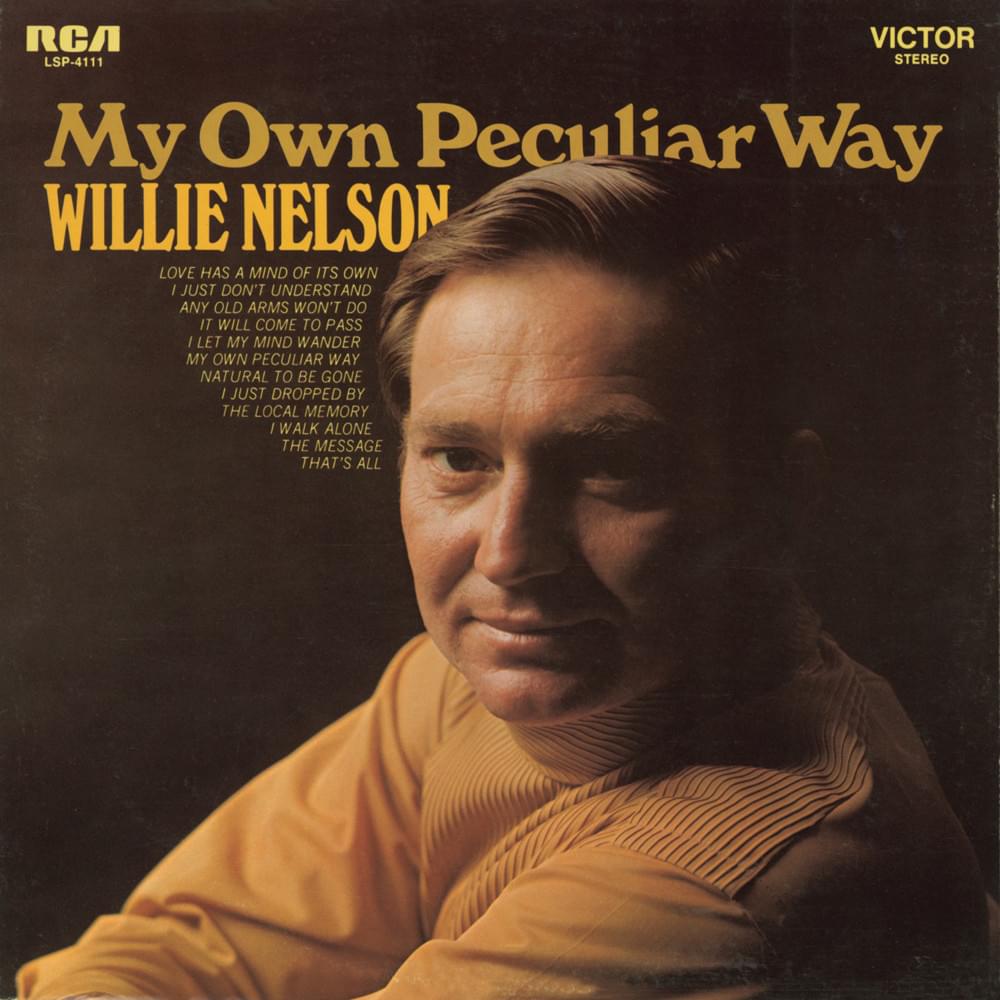
 View Artist