Song Meaning
The narrator confronts a past love, expecting a flood of emotion, but finds an unsettling void. The opening lines immediately establish a sense of detachment, a stark contrast to the anticipated turmoil of seeing someone significant again. This isn't catharsis; it's an absence, a quiet shock that replaces the expected pain or longing. The core tension lies in this unexpected emotional blankness, questioning the very nature of past feelings.
The lyrics articulate a profound disconnect from prior emotional states, particularly concerning a past relationship. The narrator acknowledges a former intensity of feeling – "How I must have loved you once" – but this memory is now abstract, unmoored from any present sensation. The fear wasn't of renewed pain, but of the *lack* of any feeling at all, a realization that the emotional landscape has fundamentally shifted. This absence is the central, disorienting discovery.
The most striking craft element is the repeated, almost mantra-like assertion, "I don't feel anything." This phrase, appearing in the intro and chorus, hammers home the narrator's disassociation. It’s a blunt, declarative statement that gains power through its repetition, highlighting the strangeness of the situation. The contrast between the implied significance of the reunion and the narrator's muted internal response creates a powerful dramatic irony.
This emotional flatness is what makes the lyrics resonate. It captures a specific, often unspoken, facet of moving on: not a dramatic overcoming of grief, but a quiet fading. The effectiveness stems from the directness of the language, which avoids melodrama to present a raw, almost clinical observation of one's own internal state. The narrator is left to grapple with the unsettling realization that the past love, and perhaps even the self that loved, no longer evokes a discernible response.
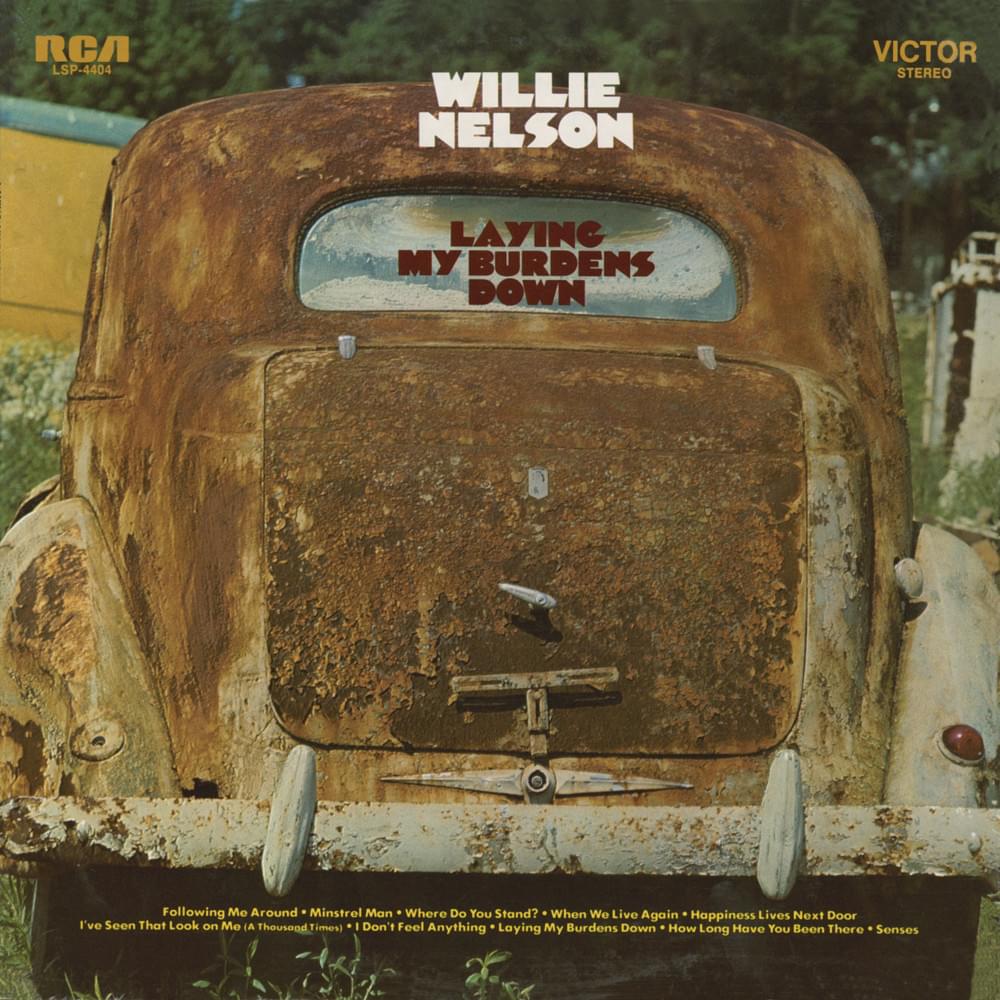
 View Artist