Song Meaning
The lyrics paint a stark picture of someone desperately trying to maintain emotional distance from a past lover. The repeated plea, "Don't touch me there," isn't about physical boundaries alone; it's a visceral reaction to anything that might stir up buried feelings. The narrator emphasizes that this sensitive spot is "where my heart lives," highlighting the vulnerability they're trying to protect. It’s a raw defense against reopening old wounds, especially when the narrator feels they've moved on or are trying to. The insistence that it's "way too soon" and "just ain't fair" suggests a past hurt that left them feeling exploited or foolish, making any attempt at rekindling feel like a dangerous proposition.
The central tension lies in the conflict between a desire for self-preservation and the lingering echoes of a past connection. The narrator explicitly states, "I once loved you / And I don't care," a declaration that feels like a shield against the potential pain of remembering. Yet, the very act of issuing such strong warnings implies that the feelings, or at least the *memory* of them, are still potent. The plea to "don't play that game" and "don't call my name" further illustrates the narrator's attempt to erase the past and prevent any interaction that could breach their carefully constructed defenses.
The most striking aspect of the writing is the stark contrast between the simple, almost childlike repetition of "Don't touch me there" and the complex emotional weight it carries. This phrase becomes a mantra for emotional self-protection, a boundary set not just against physical intimacy but against any reminder of a love that caused pain. The lyrics suggest that the narrator feels vulnerable, like a "crazy fool," and is using this direct, unadorned language to ward off someone who might try to exploit that past affection. The repeated assertion that it "just ain't fair" underscores a sense of injustice about being put in a position where they have to defend their emotional space so fiercely.
Ultimately, the effectiveness of these lyrics stems from their directness and the raw vulnerability they expose. The narrator isn't offering complex metaphors; they're laying bare a fundamental need to protect a wounded heart. The repeated warnings and the simple, insistent phrase create a palpable sense of urgency and defense. It resonates because it captures that universal feeling of needing to shield oneself from potential hurt, especially when past experiences have taught a hard lesson about where it's safest to draw the line.
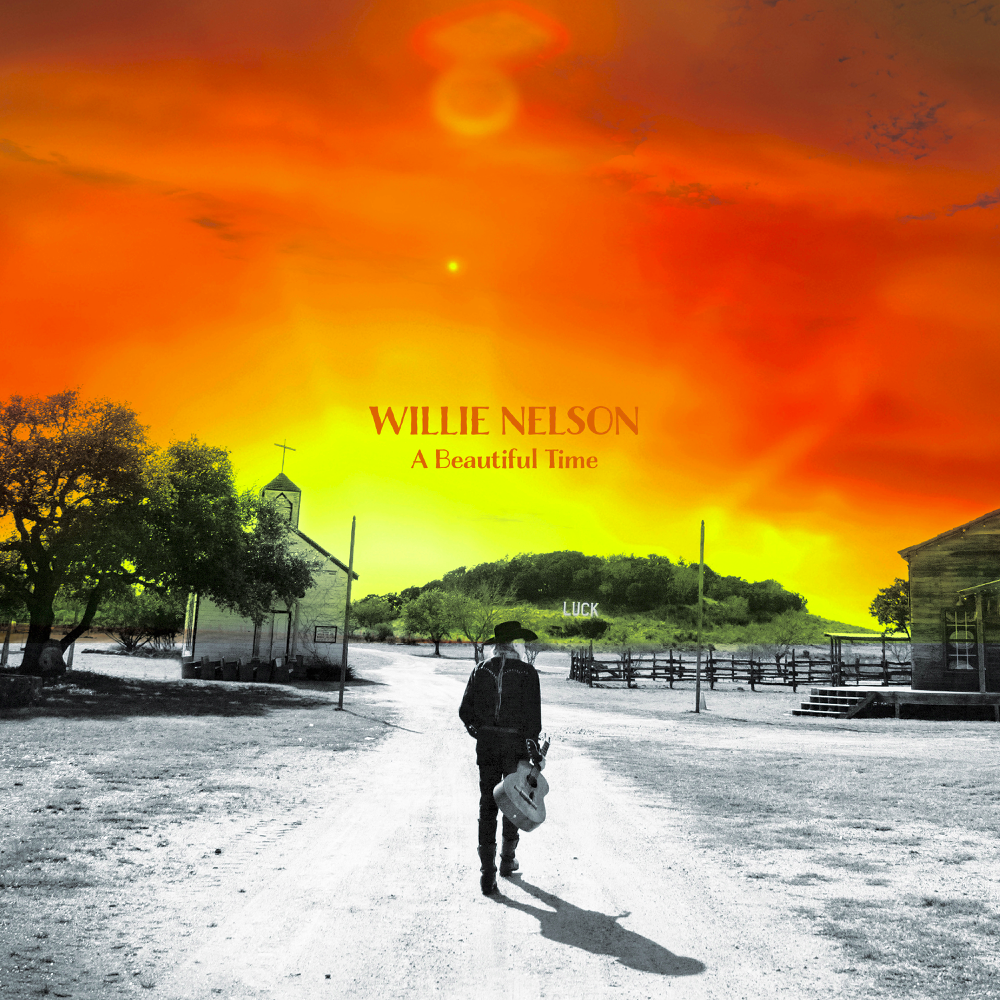
 View Artist