Song Meaning
The narrator recounts a scene at a turkey roast, observing a gluttonous feast where people "eatin' like wild geese." This experience seems to trigger a strong desire to return home, to "Alabam." The repeated refrain, "I'm on my way I'm goin' back to Alabam," underscores this longing for a familiar place, perhaps as an escape from the excess witnessed.
The lyrics then pivot to an anecdote about tramps stealing corn, highlighting a contrast between societal perceptions and the narrator's reality. The image of the thieves, one with a "bushel and one had a peck" and another with a "roaster near tied around his neck," paints a picture of desperate, almost comical, thievery. This incident further solidifies the narrator's resolve to return to Alabam, suggesting a preference for the straightforward struggles of home over the perceived superficiality or dishonesty encountered elsewhere.
The introduction of "Sal" with her "run down shoes" adds another layer to the narrative, depicting a character seemingly struggling but still present in the narrator's mind. The final lines, "When I get ready to leave this earth / I'm going back to my money's worth," suggest that Alabam represents a place of ultimate value or belonging for the narrator, a place where they feel they've truly earned their keep or will find peace. The repetition of "Alabam" acts as an anchor, a constant pull towards a specific, perhaps idealized, home.
This song effectively uses vivid, if slightly exaggerated, imagery to convey a sense of displacement and a yearning for home. The contrast between the excessive feasting and the desperate thievery, alongside the simple image of Sal, creates a textured picture of the world outside Alabam. The narrator's repeated declaration of return suggests that Alabam holds a unique significance, representing a place of authenticity or earned belonging that the narrator is eager to reclaim.
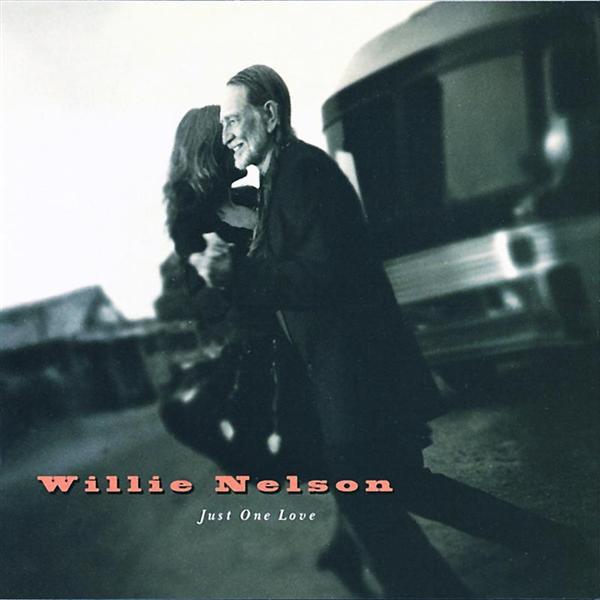
 View Artist