Song Meaning
The narrator is trapped in a perpetual state of longing for a past love. The opening lines immediately establish a sense of resignation and an inability to move forward, declaring, "I can't stop lovin' you." This isn't a plea for reconciliation, but a stark admission of being stuck. The decision to "live in memories" and "dreams of yesterday" highlights a conscious choice to remain tethered to what was, rather than face the present or future.
The core tension lies in the narrator's conflict with the passage of time and its supposed healing properties. The lyrics directly confront the adage that "time heals a broken heart," asserting instead that "time has stood still since we've been apart." This suggests a profound emotional paralysis, where the absence of the loved one has effectively frozen the narrator's internal clock. The "happy hours" are not a source of comfort but a painful reminder of what has been lost, making them perpetually "blue."
The most striking aspect of the craft is the stark, almost brutal simplicity of the language, which amplifies the raw emotion. Phrases like "useless to say" and the direct contradiction of the healing power of time create a sense of inescapable finality. The repetition of the first verse reinforces this feeling of being caught in a loop, unable to break free from the cycle of memory and desire. The narrator's resolve isn't to overcome the pain, but to fully inhabit it.
This lyrical approach is effective because it mirrors the experience of profound grief or unrequited love with unflinching honesty. There's no attempt to sugarcoat the pain or offer false hope. Instead, the lyrics present a clear, albeit bleak, picture of someone who has accepted their fate, finding a strange kind of permanence in their sorrow. The power lies in its directness, making the narrator's emotional stasis feel palpable and deeply understood.
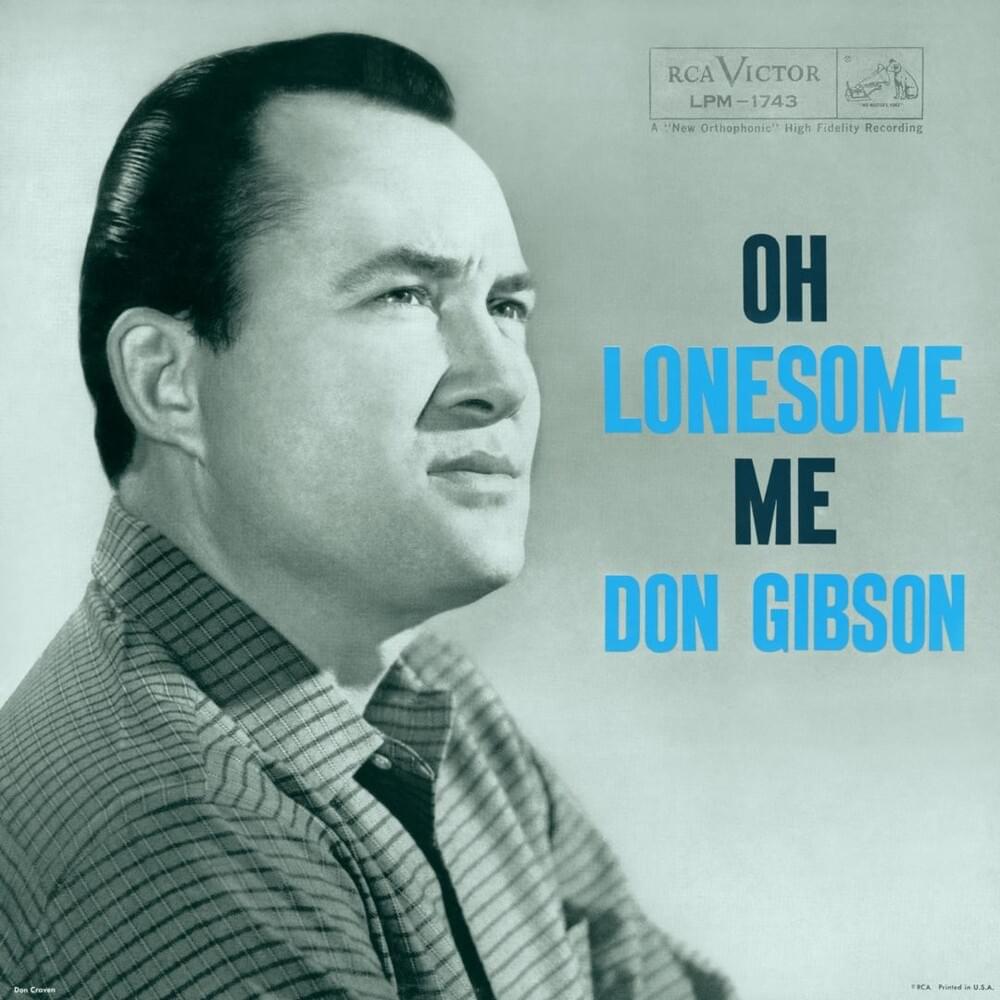
 View Artist