Song Meaning
The lyrics open with a stark, almost relentless catalog of life's fundamental dichotomies. We see people "march while some stand still" and "die while others live," immediately establishing a world of inherent contrasts. This sets a tone of observation, highlighting the unavoidable divisions in human experience.
The initial stanzas build a powerful sense of universal disparity. From "high and some are low" to "weak and some are strong," the lyrics present a world where every positive has a negative counterpart, every presence an absence. This constant pairing creates an underlying tension, suggesting that life is fundamentally unbalanced. The sheer volume of these unavoidable differences paints a picture of inherent struggle.
The craft here lies in the insistent, almost rhythmic repetition of these binary oppositions. The simple, declarative statements create a cumulative effect, making the sheer volume of life's inequalities feel overwhelming. This methodical listing serves to underscore the weight of these observations, building a quiet tension. It's a structural choice that prepares the listener for the emotional pivot to come.
The emotional punch lands when the lyrics connect these broad observations to a specific experience: "In a poor man's mind." This shift grounds the abstract into a concrete reality, suggesting that while these contrasts exist for all, they coalesce into an inescapable "blues" for those already struggling. The repeated declaration, "He gotta have the blues / He can't leave behind," powerfully conveys a sorrow that isn't fleeting but a fundamental, inherent part of his existence. It's a condition, not just a feeling, that defines his perspective.
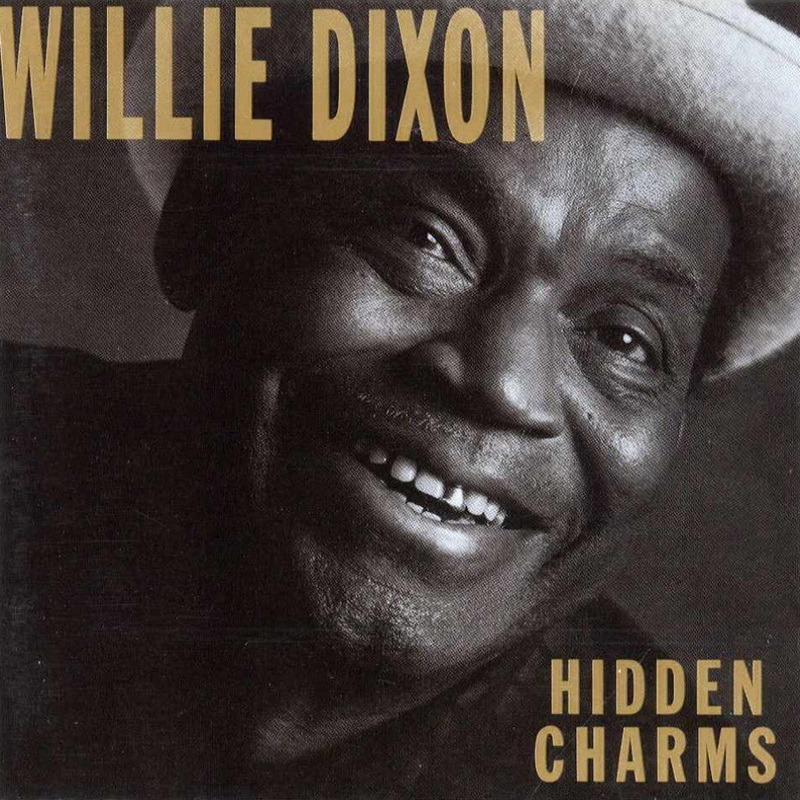
 View Artist