Song Meaning
Willie Colón's "Sueño de Papelote" isn't just a song; it's a poignant reflection on lost idealism and the harsh realities that chip away at youthful dreams. The 'papelote,' or kite, serves as a central metaphor for aspirations that soar with hope, only to be dashed against the rocks of experience. The initial verses paint a picture of a young Colón, eyes fixed on the sky, wanting to be a 'malote' – a tough guy, yet one whose ambition is intrinsically linked to the freedom and boundless potential symbolized by the kite. The lyrics speak to a universal desire to rise above the mundane, to chase an ideal untainted by the compromises of adult life. However, the stark realization that 'life is not a toy' underscores the rude awakening that awaits. The paper kite, so full of promise, becomes a poignant symbol of vulnerability against the 'bad wind' of fate. Colón masterfully evokes the psychological weight of disillusionment, a feeling that resonates deeply with anyone who has seen their youthful optimism tempered by life's inevitable setbacks.
The chorus is the emotional core of "Sueño de Papelote," encapsulating the yearning to explain that life transcends mere survival ('darlo todo por comida'). Colón's delivery imbues these lines with a sense of weary resignation. He acknowledges the failure to sustain the flight, unsure whether it was a lack of faith or will that ultimately grounded him. The kite, once a symbol of limitless possibility, is now tattered, a victim of circumstances beyond control. This imagery speaks to the internal conflict between maintaining hope and accepting the limitations imposed by reality. The lines about love and heartbreak further amplify this theme. Giving away his heart 'for nothing' highlights the emotional cost of vulnerability, contrasting sharply with the pragmatic world where even affection seems to have a price. The admission that life is 'painful prose' rather than beautiful poetry is a brutal but honest assessment of the human condition.
Ultimately, "Sueño de Papelote" is a melancholic meditation on the erosion of innocence. The final verse, tinged with regret, reveals the toll taken by relentless hardship. The 'crystal smile' shattered into pieces represents the irreversible damage inflicted by life's trials. The concluding question – 'Where is that 'malote'?' – hangs in the air, unanswered. Colón doesn't offer easy answers or false hope. Instead, he confronts the listener with the haunting specter of a lost self, forever tethered to the memory of a dream that once soared so high. The song's genius lies in its ability to tap into the universal experience of grappling with disappointment, making it a profoundly moving and relatable work of art.
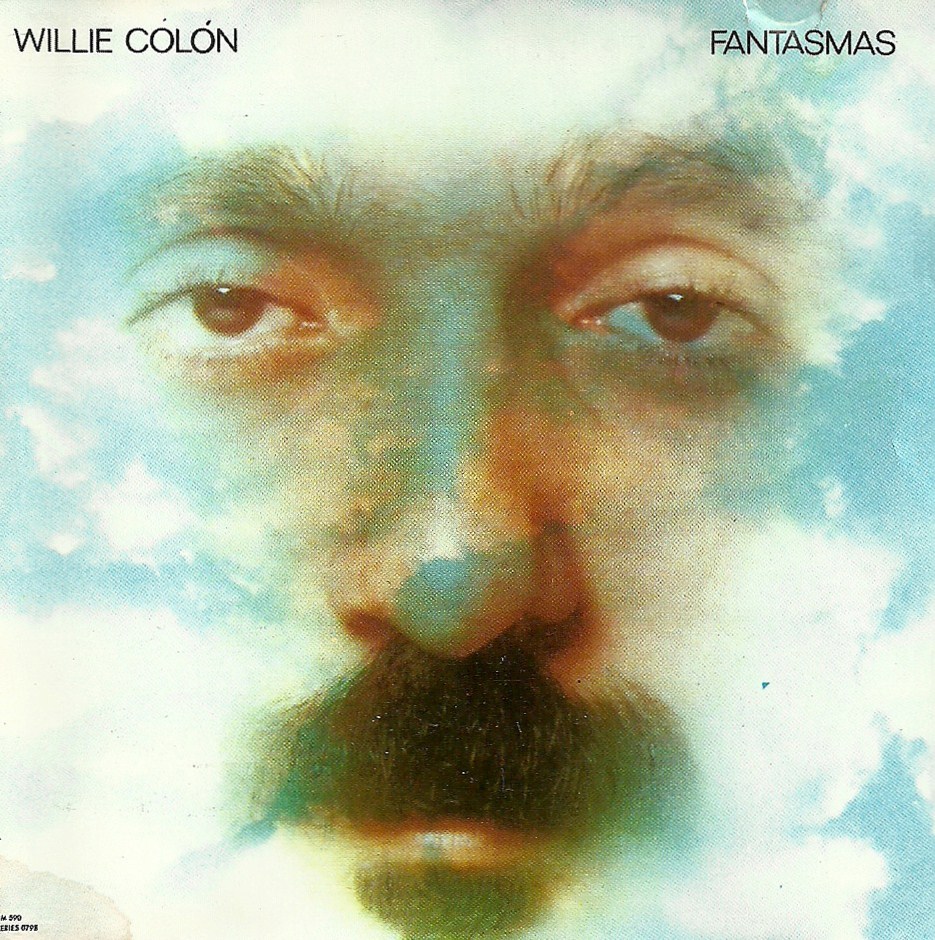
 View Artist