Song Meaning
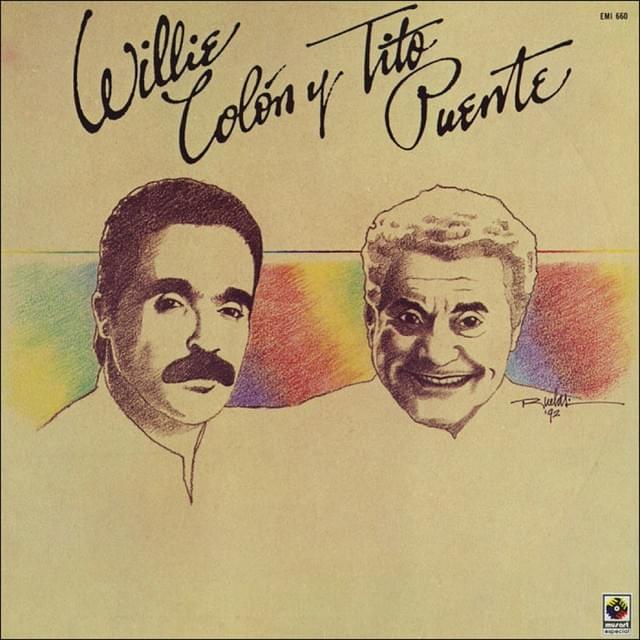
Willie Colón's "Ran Kan Kan" isn't a song so much as an ecstatic summons. Stripped down to its primal essence, the track fixates on the pure, unadulterated joy of rhythm. The lyrics, repetitive as a heartbeat, chant the sounds of the timbales, turning Tito Puente's percussion into a hypnotic mantra. It's a celebration of sound itself, a primal urge to move and feel the music resonate through the body. Colón isn't telling a story; he's creating an atmosphere, an invitation to lose oneself in the infectious energy of the beat. The repeated phrase "Ran kan kan kan, kan kan" mimics the very sound of the timbales, blurring the line between language and pure sonic experience.
The genius of "Ran Kan Kan" lies in its simplicity. By eschewing complex narratives and lyrical depth, Colón distills music down to its fundamental purpose: to create a visceral, emotional response. The call-and-response dynamic, with the demand for Tito to “suéname los timbales,” transforms the listener into an active participant. We're not just hearing the music; we're being urged to feel it, to let it take over. The repeated calls to "goza" (enjoy) reinforce this imperative, turning the song into a communal experience, a shared moment of rhythmic transcendence.
Ultimately, the song meaning of "Ran Kan Kan" revolves around a return to the roots of music as a form of catharsis and collective joy. It's a reminder that sometimes, the most profound experiences are the simplest, the most primal. The insistent rhythm of the timbales, the infectious energy of Colón's delivery, and the invitation to abandon oneself to the music create an experience that is both deeply personal and profoundly communal, a testament to the power of music to connect us to something larger than ourselves. It's about feeling, not thinking, and that's a message that resonates across cultures and generations.