Song Meaning
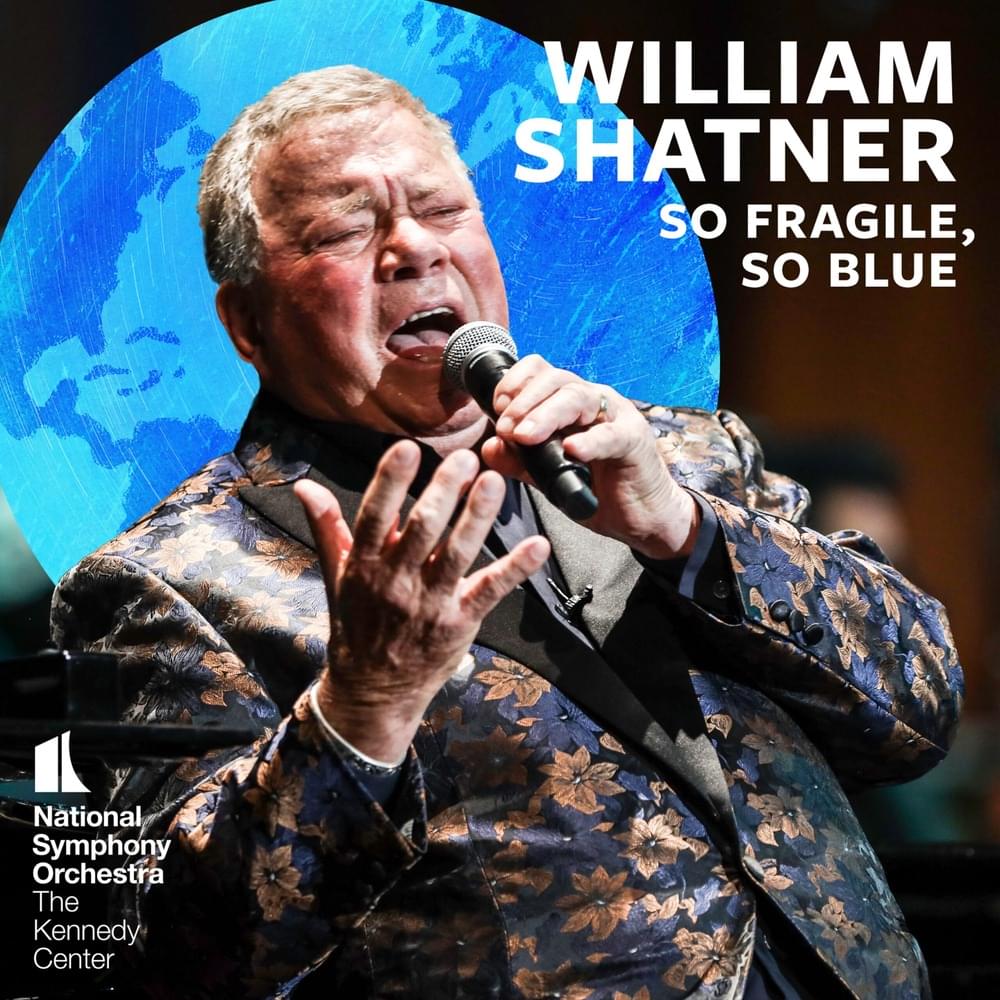
William Shatner's spoken-word piece, "William Shatner introduces 'I'll Be With You'," isn't so much a song as it is a raw, existential preamble. Absent any traditional musical structure, it's a concentrated dose of Shatner's late-life reflections on connection and legacy. The core of the piece revolves around a universal question: how do we, facing our own mortality, express the breadth and depth of our love to those who've shaped our lives? He isn't just pondering romantic love; he encompasses "green passionate loves, the intellectual loves, the love of animals, the love of nature." This inclusive vision acknowledges the diverse forms that affection takes.
The piece's power lies in its vulnerability. Shatner, unburdened by melody or rhythm, speaks directly to the listener, sharing a deeply personal struggle. The chuckle that punctuates the opening line—"At my age, heh-heh-heh-heh"—is both a nervous tic and a disarming acknowledgement of his own aging. He frames the entire soliloquy as a problem to be solved: "How do you reach out from the grave and tell them that you still love them?" This isn't a sentimental farewell; it's a practical, almost scientific inquiry into the possibilities of enduring connection.
Ultimately, "William Shatner introduces 'I'll Be With You'" serves as a meditation on the enduring power of love and the human need to leave a meaningful trace. The spoken-word format underscores the immediacy and urgency of his message. It’s a reminder that expressing our affections, in all their forms, is a vital act, a way to transcend the limitations of time and, perhaps, even death itself. The track sets up the subsequent song, but it stands alone as a poignant reflection on life, love, and legacy from one of pop culture's most enduring figures.
 View Artist