Song Meaning
The narrator immediately establishes a stark reality: "I'm a poor man," lacking both "money" and a "home." This sets a tone of material destitution, painting a picture of someone at the absolute bottom of societal measures of success. The repetition of "poor man" and the direct statements about his lack of possessions underscore the depth of his material hardship. It's a blunt, unvarnished opening that forces the listener to confront a difficult situation.
Yet, this bleak picture is immediately countered by a powerful assertion of inner wealth. The repeated phrase "I've got love" acts as a defiant refrain, a stark contrast to the earlier declarations of poverty. This isn't just a passing thought; the narrator insists, "I know I've got real love," suggesting a profound and genuine source of fulfillment. This internal richness is presented as sufficient, as he concludes, "And I'm alright."
The lyrics then explicitly articulate the core philosophy: "Money can't buy love." This is not merely a platitude but the central tenet that elevates the narrator's situation. The inclusion of "Beauty can't buy love" further broadens this idea, implying that external, superficial qualities hold no sway in acquiring this essential commodity. The writing crafts a clear hierarchy where material and superficial assets are rendered worthless in the face of true affection.
This juxtaposition of extreme poverty with an abundance of love is what gives the song its emotional punch. The effectiveness lies in its simple, direct language that avoids complex metaphors. By grounding the truth in the narrator's personal, albeit stark, experience, the lyrics create a powerful statement about what truly matters. It suggests that even in the most dire circumstances, a rich inner life can provide a sense of peace and well-being.
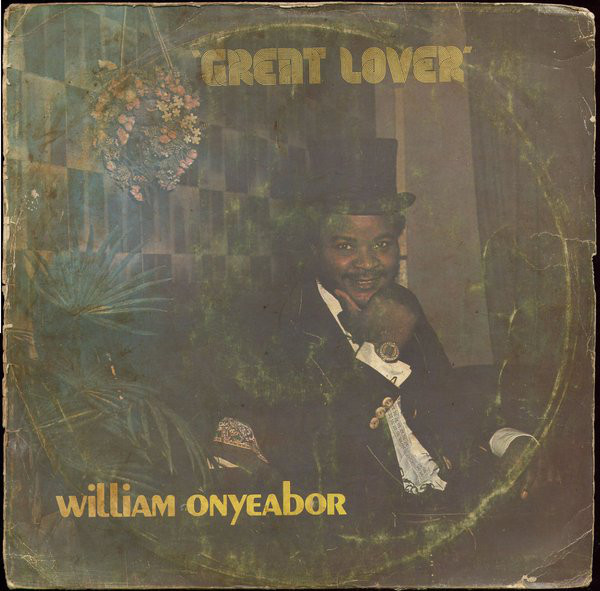
 View Artist