Song Meaning
These lyrics paint a stark picture of someone trapped, physically and perhaps mentally, by an unseen force. The opening lines immediately establish a sense of immobility and weight: "Heavy shoulder," "Your feet tied to the floor." This isn't just a bad mood; it's a profound, almost physical constraint that even the "former self" would find alien and repulsive, judging by the "fixtures / Of metal wire and wood" that now define the surroundings. The imagery suggests a place of confinement, perhaps literal or metaphorical, where freedom is a distant memory.
The core tension lies in the struggle between the present state of being held captive and the yearning for release and healing. The narrator observes the subject "lay down in / Stranger's linen," a detail that implies vulnerability and a lack of personal comfort or control. The "bluish scars" and the mention of "sweet addiction" hint at a past or ongoing struggle with substance abuse or a destructive pattern, a self-inflicted bondage that paradoxically feels like something external holding them back. This creates a poignant conflict between the internal source of the problem and the external manifestation of being trapped.
The most striking craft element is the recurring plea, "Would you bend these bars / That hold you." This direct address, shifting to "I would bend these bars" later, highlights a deep desire for intervention and rescue, either from the subject themselves or from an external observer. The contrast between the "bars that hold you" and the desired "peace / And stillness" is powerful, suggesting that freedom isn't chaos but a profound calm. The repetition of "You will see sunrise again" at the end acts as a mantra, a desperate, hopeful assertion of a future beyond the current darkness, emphasizing the long road to recovery and the possibility of a "better burden."
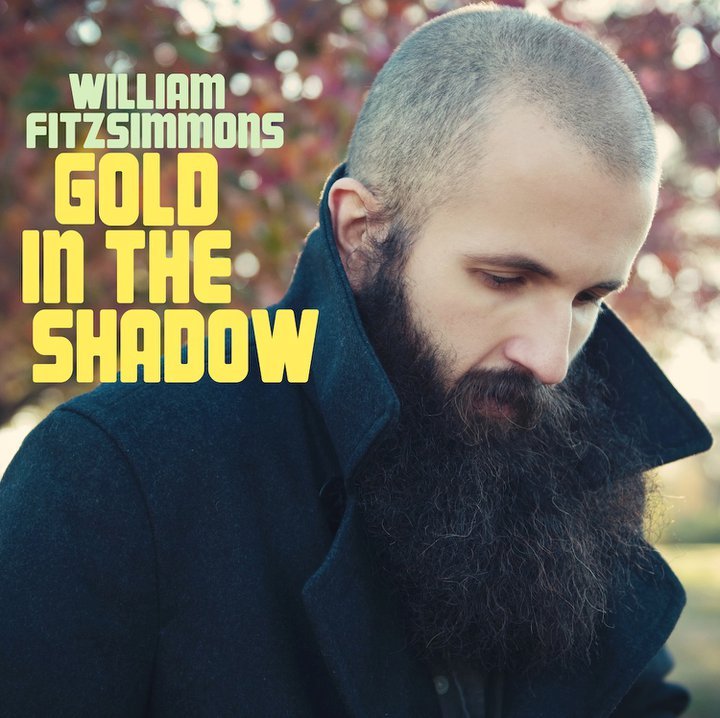
 View Artist