Song Meaning
The narrator kicks off on a solitary, uncertain path, a "dirty road" that leads away from a familiar place. As dusk settles, a contrast emerges: the fading light outside mirrors a world that "got still," perhaps a moment of quiet reflection before a significant change. This initial scene sets a tone of quiet determination tinged with apprehension about the unknown ahead.
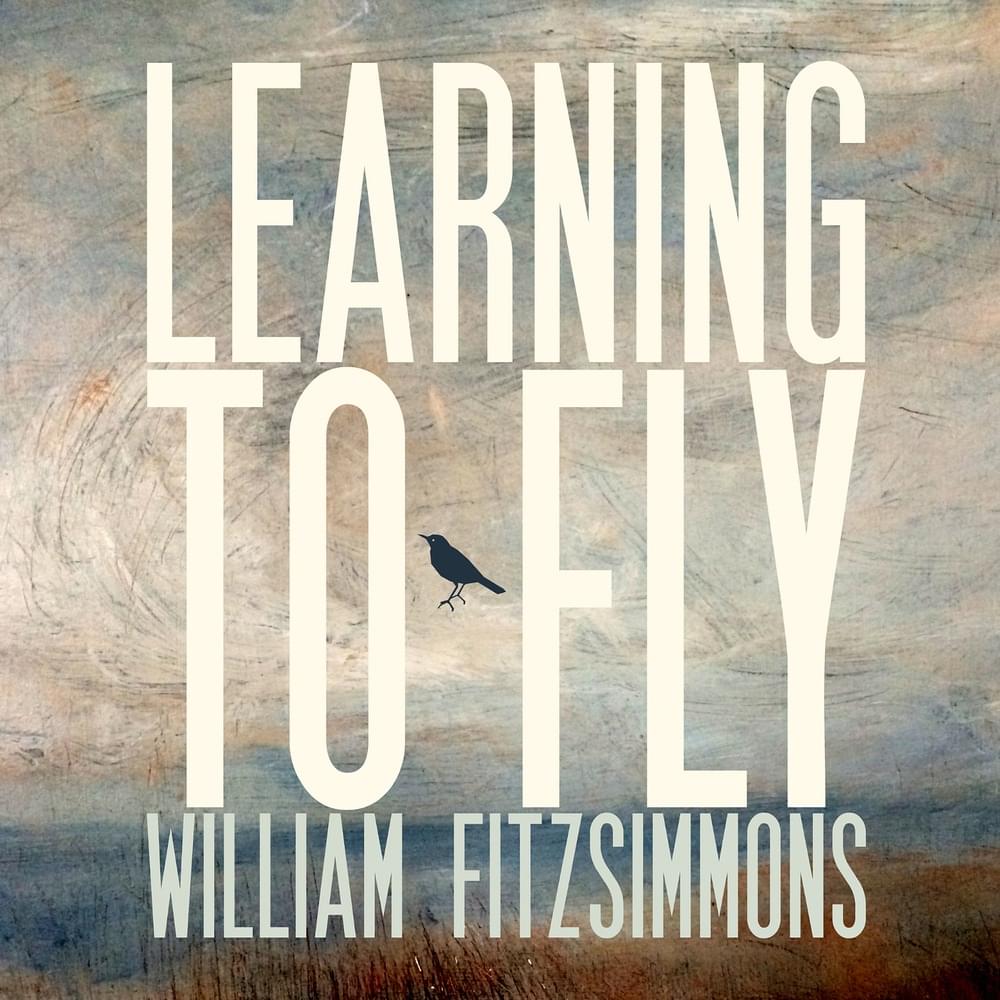
This is a journey marked by a central, paradoxical struggle: "learning to fly but I ain't got wings." The narrator is actively pursuing growth and elevation, yet lacks the conventional means to achieve it. This internal conflict is amplified by the stark admission, "Coming down is the hardest thing," suggesting that the fear of failure or the inevitable descent after striving is a primary obstacle.
The lyrics paint a picture of radical acceptance of change, even impossibility. The narrator acknowledges that "Good old days may not return" and posits extreme scenarios like "the rocks may melt / And the sea may burn." This isn't about literal prediction but about embracing a future where the old rules no longer apply, and the only constant is the act of moving forward despite the lack of a safety net.
The effectiveness lies in this raw, unadorned portrayal of aspiration against all odds. The repeated refrain, "learning to fly but I ain't got wings," hammers home the vulnerability and sheer will involved. It’s the feeling of pushing boundaries without a guarantee, a sentiment that resonates deeply because it captures the essence of taking leaps of faith, even when the landing is uncertain.
 View Artist