Song Meaning
The lyrics open with a plea for respite, a narrator overwhelmed by loss. "Everyone that I loved has been left behind," they admit, suggesting a profound sense of isolation. Despite not believing in literal spirits, the narrator sees these presences every night. This establishes a haunting emotional landscape rooted in memory.
A central tension emerges between the tangible reality of death and the persistent presence of the departed. The narrator dreams of a past where a father was young and "full of time," a stark contrast to the present where a grandmother's body is "in the earth." This dream-state highlights a deep yearning for what's lost, suggesting that the "ghosts" are not supernatural entities but vivid, inescapable memories.
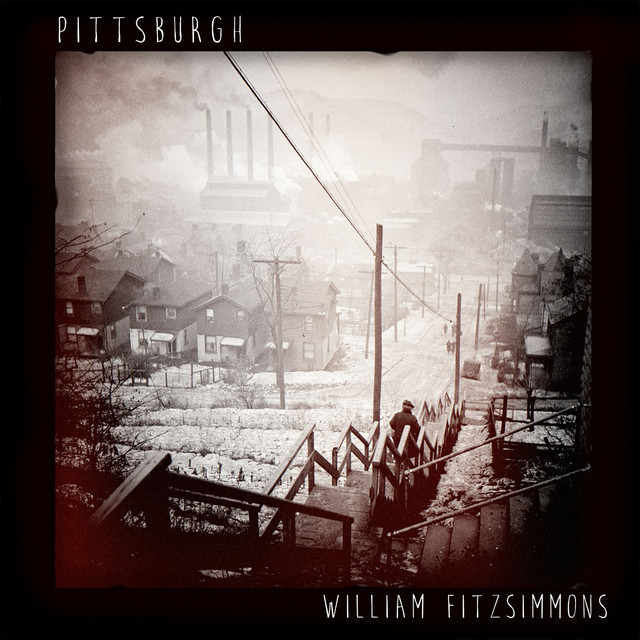
The lyrics masterfully intertwine personal grief with a sense of place. The repeated idea of seeing the departed every night underscores the persistent nature of memory, even when loved ones are physically gone. The specific detail of "Penn Hills" anchors these spectral presences to a geographical location, making the grief feel deeply personal and inescapable. The melancholic "la-da-dum" acts as a quiet, almost resigned sigh, punctuating the weight of these memories.
The emotional punch of these lyrics comes from their raw honesty about grief's complexities. The narrator is "woke by the baby" at 5 am, a moment of new life tragically coinciding with the discovery that "that's when you left." This stark juxtaposition of birth and death creates a powerful emotional resonance. Despite a hopeful wish to "meet again" and to keep memories alive by telling "my girls your name," the narrator acknowledges the enduring pain: "I'll miss you all the same." The "ghosts of these Penn Hills" become a poignant metaphor for the enduring presence of the past, guiding the narrator through loss.
 View Artist